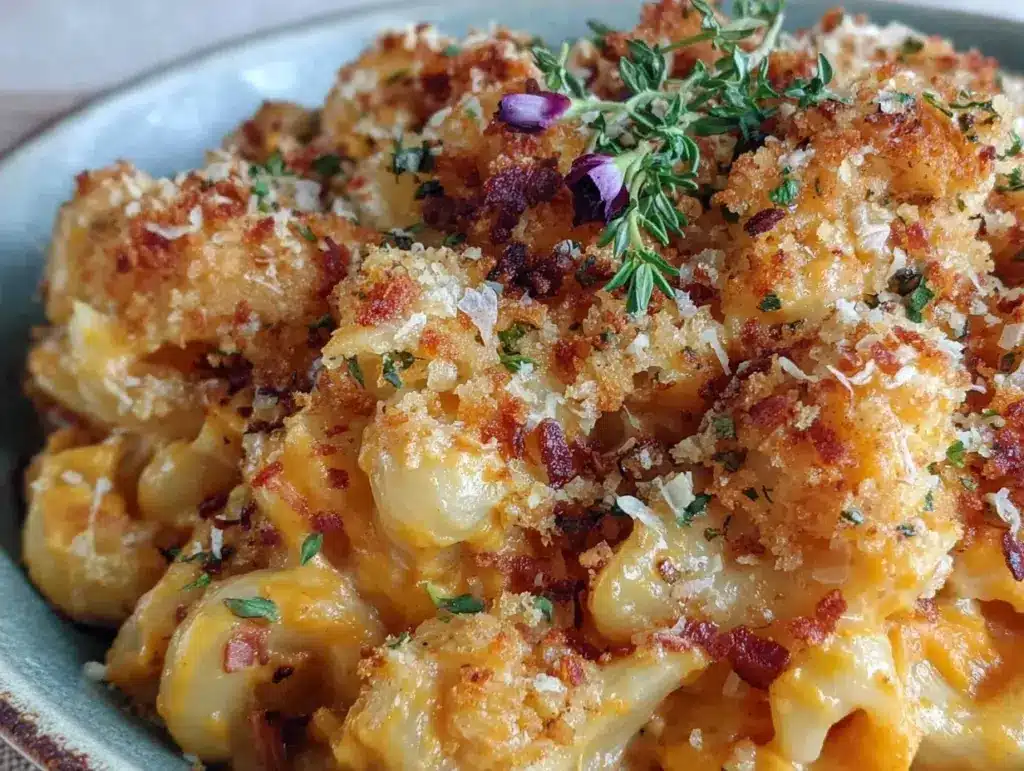
Last Tuesday, my kitchen looked like a flour bomb had exploded inside a pumpkin patch. My six-year-old was standing on a step stool, vigorously stirring a pot of orange puree with a wooden spoon that was nearly as big as he was. Flour dusted his nose. There were squashes of butternut squash on the floor. It was chaotic. It was messy. And for the first time in months, he wasn’t asking “Are we there yet?” while I cooked. He was asking, “Can I add more cheese?”
This isn’t just a dinner recipe. It’s a peace treaty. It’s a way to get your kids out of their screens and into the mixing bowl without losing your mind. I’ve tried the “quick and easy” weeknight dinners. I’ve tried the “let them pick from a menu” approach. But this butternut squash mac and cheese kids help make is different. It turns the cooking process into the main event. The vibrant orange color makes it look like a party, and the taste? It’s creamy, sweet, and comforting enough to win over even the pickiest eaters.
I remember the first time I made this. I was stressed about getting dinner on the table while helping with homework. I threw the squash in the microwave to save time, but the texture was watery. The sauce split. It was a disaster. Since then, I’ve tested this butternut squash mac and cheese kids help make version at least a dozen times. I’ve learned exactly how to roast the squash so it’s sweet, how to blend it so it’s silky, and most importantly, which steps are safe for little hands to tackle. This recipe is my go-to when I want to create a memory, not just fill a stomach.
There’s something magical about watching a child realize they helped create something delicious. It builds confidence. It teaches patience. And honestly? It makes the cleanup feel worth it because you spent an hour laughing together in the kitchen. If you’re looking for a way to bond over food, this is it. Let’s get messy.
Why You’ll Love This
Here’s the thing about mac and cheese. It’s a classic for a reason. But adding butternut squash? That’s where the magic happens. It’s not just a veggie sneak-in; it changes the entire experience. Here’s why this dish has taken over our weeknight rotation:
- It’s a Color Trick — Kids love bright colors. The natural orange hue from the squash makes the pasta look festive, like it’s from a theme park or a holiday party. My daughter thinks it’s “magic cheese.” It’s just vegetables, but that perception matters when you’re trying to get them to eat dinner.
- Sweet Meets Salty — Roasted butternut squash has a natural nutty sweetness that pairs perfectly with sharp cheddar and a hint of nutmeg. It balances the richness of the cheese sauce so it doesn’t feel heavy. It’s comfort food with a sophisticated twist.
- Safe Kid Tasks — I specifically designed this recipe so your kids can actually help. They can help peel the squash (with a safe peeler), stir the puree, sprinkle the cheese, and even choose the pasta shape. These are low-risk, high-reward tasks that keep them engaged without burning their fingers.
- One-Pot Simplicity (Mostly) — While you do need to roast the squash, the stovetop part is a one-pot wonder. You make the roux, add the liquid, melt the cheese, and toss. It’s easier than making a béchamel from scratch because the squash acts as the thickener and flavor base.
- Meal Prep Friendly — You can roast the squash ahead of time. On busy days, I’ll roast two squashes on Sunday and keep the puree in the fridge. Then, on Wednesday night, I can have this butternut squash mac and cheese kids help make ready in 20 minutes. It’s perfect for those “I forgot to defrost chicken” moments.
This is my go-to when I need to turn dinner into a family activity. It’s warm, it’s inviting, and it smells like autumn, even in the middle of winter.
Key Ingredients
Let’s talk about what’s going into the pot. I keep this list short because you don’t need a chemistry set to make great mac and cheese. Here’s what you need, with exact measurements so you don’t have to guess.
Butternut Squash
1 medium squash (about 2 lbs / 900g) peeled, seeded, and cubed — This is the star. Look for a squash that feels heavy for its size. That means it’s dense and sweet. If it feels light, it might be dry and stringy. I prefer the small, “bullet” shaped squashes because they’re easier for kids to handle and peel. Avoid the giant ones unless you’re feeding an army; they’re tough to cut and often drier.
Pasta
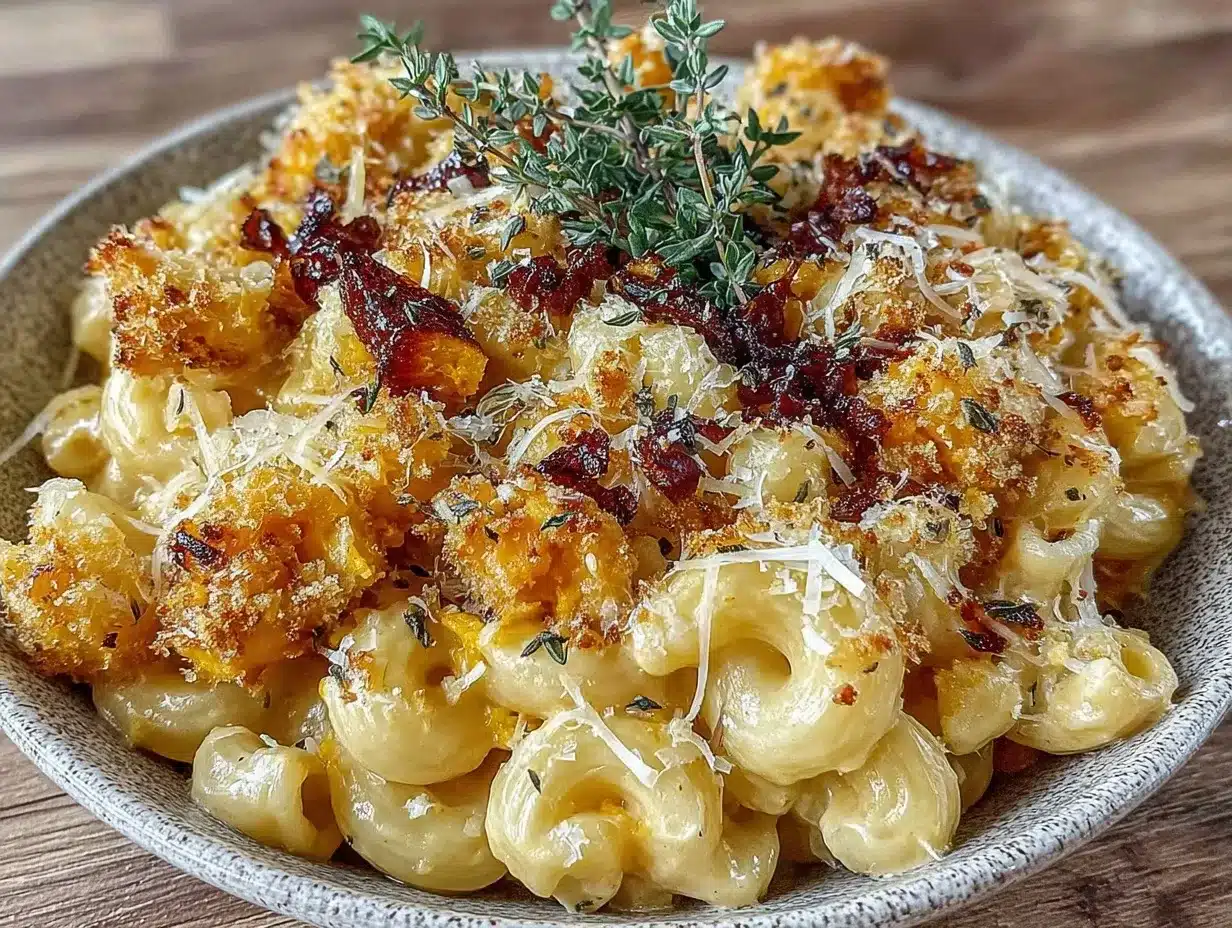
12 oz (340g) elbow macaroni or cavatappi — Elbows are classic and hold sauce well. Cavatappi (corkscrew pasta) is my personal favorite because the nooks and crannies trap the cheesy squash sauce. Avoid thin pasta like angel hair; it gets mushy. Also, let your kids pick the shape! It’s one of the easiest steps for them to help with.
Butter
4 tablespoons (57g) unsalted butter — This creates the roux, the base of your sauce. Unsalted is better here because you control the saltiness. If you only have salted butter, reduce the added salt in the recipe by half. Don’t skip the butter; it adds that rich mouthfeel that makes you want seconds.
Flour
1/4 cup (30g) all-purpose flour — Just a quarter cup. This is what thickens the milk and squash puree into a creamy sauce. Don’t use more, or it’ll taste like paste. Don’t use less, or it’ll be soupy. Precision matters here.
Milk
2 cups (480ml) whole milk — Whole milk is non-negotiable for creaminess. The fat carries the flavor. If you’re dairy-conscious, you can use oat milk or soy milk, but the texture will be slightly thinner. I’ve tried almond milk, and it just doesn’t work for cheese sauce. It breaks.
Cheese
2 cups (200g) shredded sharp cheddar cheese — Sharp cheddar gives you the punchy flavor you need. Mild cheddar is too bland for this. Real talk: Buy a block of cheese and shred it yourself. Pre-shredded cheese is coated in potato starch to prevent clumping, and that starch makes your sauce grainy and gritty. It’s worth the extra five minutes of shredding.
Seasonings
1/2 teaspoon nutmeg — This is the secret weapon. Nutmeg pairs beautifully with squash and cheese. It adds a warm, aromatic depth. Use fresh grated nutmeg if you can; it’s infinitely better than the pre-ground stuff in the jar. 1/2 teaspoon garlic powder — Adds a savory backbone. 1/2 teaspoon salt and 1/4 teaspoon black pepper — To taste. Adjust after you taste the sauce.
Tools Needed
You don’t need fancy equipment. Here’s what I use. Keep it simple.
Large roasting pan or baking sheet — I use a rimmed baking sheet. It needs to be big enough to spread the squash cubes in a single layer. If they’re piled up, they steam instead of roast, and you won’t get that caramelized sweetness.
Immersion blender or regular blender — An immersion blender is great because you can blend the squash directly in the pot. It saves dishes. If you use a regular blender, be careful! Hot puree expands. Blend in short bursts and remove the center cap of the lid to let steam escape. I learned this the hard way when I got squash puree all over my ceiling.
Large stockpot (6-quart or larger) — For boiling the pasta and making the sauce. I use a heavy-bottomed pot so the milk doesn’t scorch on the bottom. A thin pot will burn your sauce faster than you can stir.
Wooden spoon or silicone spatula — You need something sturdy for stirring the roux and folding the cheese in. Metal spoons can scratch non-stick surfaces, so I stick to wood or silicone.
Vegetable peeler — For the kids! A sturdy Y-peeler is safe and effective for removing the tough squash skin. Make sure the squash is cool enough to handle first.
Cooking Instructions
Let’s get into the kitchen. I’m walking you through exactly how I do it, step by step. Grab your apron.
Step 1: Roast the Squash (30 minutes)
Preheat your oven to 400°F (200°C). Peel the butternut squash. This is a great job for older kids, but younger ones can help scoop out the seeds. Scoop out the seeds and stringy bits from the center. Cut the squash into 1-inch cubes. Try to keep them even so they cook at the same rate.
Toss the cubes with 1 tablespoon of olive oil and a pinch of salt on your baking sheet. Spread them out. Don’t crowd them. If they’re touching, they’ll steam. Roast for 25-30 minutes until they are tender when pierced with a fork and slightly browned at the edges. The browning is where the flavor lives. Let them cool completely before blending. If they’re hot, you’ll have steam burns and a watery puree.
Step 2: Boil the Pasta (10 minutes)
While the squash roasts, bring a large pot of salted water to a boil. Add your pasta. Cook according to the package directions for “al dente.” It’s okay if it’s slightly undercooked because it will finish cooking in the sauce later. Drain the pasta, but save 1 cup of the pasta water. Seriously, don’t pour it out. That starchy water is liquid gold for adjusting sauce consistency.
Step 3: Make the Squash Puree (5 minutes)
Once the squash is cool, blend it until smooth. If you’re using a regular blender, add a splash of milk to help it move. You want a silky, orange puree with no lumps. If you’re using an immersion blender, just blend right in the bowl. Set aside.
Step 4: Make the Roux (5 minutes)
In your large stockpot, melt the 4 tablespoons of butter over medium heat. Once the butter is foaming, sprinkle in the 1/4 cup of flour. Whisk constantly. You’re making a roux. It should look like wet sand and cook for about 2 minutes. You want to cook out the raw flour taste, but don’t let it brown. It should stay pale yellow. If it smells like biscuits, you’re good.
Step 5: Create the Sauce (10 minutes)
Slowly pour in the milk, whisking constantly to prevent lumps. Keep whisking until the mixture thickens and comes to a gentle simmer. This takes about 5 minutes. Then, stir in the squash puree, nutmeg, garlic powder, salt, and pepper. The sauce will turn a beautiful vibrant orange. Taste it. Does it need more salt? Add it now. The sauce should coat the back of a spoon.
Step 6: Melt the Cheese (5 minutes)
Reduce the heat to low. Add the shredded cheddar cheese a handful at a time, stirring until each addition is fully melted before adding more. This is crucial. If you dump it all in at once, the cheese will clump and the sauce will break. Be patient. Stir until smooth and glossy. If the sauce looks too thick, add a splash of the reserved pasta water. If it’s too thin, let it simmer for another minute.
Step 7: Combine and Serve (2 minutes)
Turn off the heat. Add the drained pasta to the pot. Stir gently to coat every noodle. If you’re letting kids help, this is the fun part. Let them stir and sprinkle extra cheese on top. Serve immediately while it’s hot and gooey.
Total Time: Roasting takes the bulk of the time, but active cooking is only about 25 minutes.
Expert Tips
Here’s everything I learned from making this too many times. I want your kitchen to be a success, not a stress zone.
The Game-Changers
Cool the Squash Completely
This is the #1 mistake. If you blend hot squash, the water content increases, and your sauce becomes soup. I always roast the squash the night before. It’s easier to handle when cool, and the puree is thicker. If you’re short on time, spread the hot cubes on a plate to cool them down faster.
Low Heat for Cheese
High heat is the enemy of cheese sauce. Once you add the cheese, keep the heat on low. If the sauce gets too hot, the proteins in the cheese tighten up and squeeze out the fat, leaving you with a greasy, grainy mess. If that happens, add a splash of cold milk and whisk vigorously to bring it back together.
Use Sharp Cheddar
Mild cheese is too weak for this dish. The squash is sweet, so you need the cheese to cut through that with sharpness. If you only have mild cheddar, mix in a little Parmesan or Gruyère for flavor punch.
Common Problems & Solutions
Sauce is too thick? Add reserved pasta water, one tablespoon at a time. The starch helps thin it without making it watery.
Sauce is too thin? Let it simmer on low for 2-3 more minutes. The starches in the squash and flour will continue to thicken as it cools.
Kids won’t eat the squash? Don’t tell them it’s squash. Call it “orange cheese sauce.” Kids are smart. They’ll eat it if they think it’s just cheese.
Pro Tricks
Brown Butter Finish
For a deeper, nuttier flavor, brown the butter in Step 4 before adding the flour. It adds a sophisticated taste that adults love. Just watch it closely—it goes from golden to burnt in seconds.
Add a Crunch
Top with toasted breadcrumbs mixed with a little melted butter and paprika. It adds texture and makes it feel like a baked mac and cheese without the oven time.
Recipe Variations
Once you’ve nailed the basic version, here’s how to mix it up. This recipe is a canvas.
Spicy Kick
Add 1/2 teaspoon of cayenne pepper or a diced jalapeño to the roux. The heat balances the sweetness of the squash perfectly. My husband loves this version.
Herb Garden
Stir in 2 tablespoons of fresh chopped sage or thyme at the end. Sage and squash are best friends. It adds an earthy, aromatic note that feels very autumnal.
Protein Power
Add crispy bacon bits or shredded rotisserie chicken. Bacon adds salt and crunch. Chicken makes it a heartier meal. Just fold them in at the end.
Vegan Version
Use vegan butter and nutritional yeast instead of cheese. There are good vegan cheddar shreds that melt well, but nutritional yeast gives that savory “cheesy” flavor. Use oat milk for the creamiest result.
Gluten-Free
Simply swap the all-purpose flour for a 1:1 gluten-free flour blend. Most work perfectly in roux. Use gluten-free pasta. It’s that simple.
Serving & Storage
Serving
Serve this in wide bowls. It looks beautiful with a sprinkle of fresh parsley or chives on top. I like to pair it with a simple green salad or steamed broccoli. The crunch of the veggies contrasts nicely with the soft pasta. For drinks, a crisp apple cider or a sparkling berry lemonade works well to cut through the richness.
Storage
Refrigerator: Store in an airtight container for up to 3 days. The sauce will thicken in the fridge, which is normal.
Reheating: Reheat gently on the stovetop over low heat, adding a splash of milk or water to loosen the sauce. Microwave it in short bursts, stirring in between. It won’t be as creamy as day one, but it’s still good.
Freezer: Honestly? This doesn’t freeze well. The cheese sauce tends to separate and become grainy when thawed. I recommend making it fresh. If you must freeze, freeze the squash puree and pasta separately, but the sauce is best fresh.
Nutrition Informations
I’m not a nutritionist, but here’s the breakdown. This is comfort food. It’s indulgent. But it’s also got veggies in it, so it’s not *all* bad.
| Nutrient | Per Serving (approx) |
|---|---|
| Calories | 450 |
| Protein | 18g |
| Carbs | 55g |
| Fiber | 4g |
| Fat | 18g |
| Sodium | 600mg |
My Take: This is better than takeout and I know what’s in it. The butternut squash adds vitamin A and fiber. It’s a balanced meal, even if it feels like a cheat. Enjoy it without guilt.
Final Thoughts
There’s something special about cooking with your kids. It’s not about the perfect result. It’s about the mess, the laughter, and the pride they feel when they say, “I made that.” This butternut squash mac and cheese kids help make is more than dinner. It’s a shared experience. It’s a way to slow down in a busy world.
If you make this, drop a comment! I love hearing how it turns out in your kitchen. Did your kids help? Did they eat the squash? Tell me everything. And if you need more kid-friendly ideas, check out this watermelon feta salad for a fresh summer side. Happy cooking!
FAQs
Can I use frozen butternut squash?
Yes, but the texture will be softer and wetter. You’ll need to thaw it completely and drain off any excess liquid before blending. The flavor won’t be as sweet as roasted squash, so you might want to add a pinch more nutmeg or brown sugar.
Why did my cheese sauce break?
It’s usually heat. If the sauce got too hot when you added the cheese, the proteins clumped. To fix it, take it off the heat and whisk in a tablespoon of cold milk or cream. It can often be rescued. Next time, keep the heat on low.
Can I make this ahead of time?
You can make the squash puree ahead. Store it in the fridge for up to 3 days. When you’re ready to eat, just follow the sauce steps. The pasta is best cooked fresh, though.
What other cheeses can I use?
Gruyère, Fontina, or Monterey Jack all melt beautifully. You can mix them with the cheddar for a more complex flavor. Just avoid pre-shredded bags.
How do I get my kids to eat vegetables?
Hide them in sauce! If they don’t see the chunks, they’re less likely to complain. The smooth puree in this recipe is perfect for this. Also, let them choose the pasta shape. Ownership increases willingness to try.
Can I use sweet potato instead?
Yes! Sweet potato mac and cheese is delicious. Just note that it will be slightly sweeter and have a different texture. The cooking times are similar, so it works as a direct swap.
Pin This Recipe!
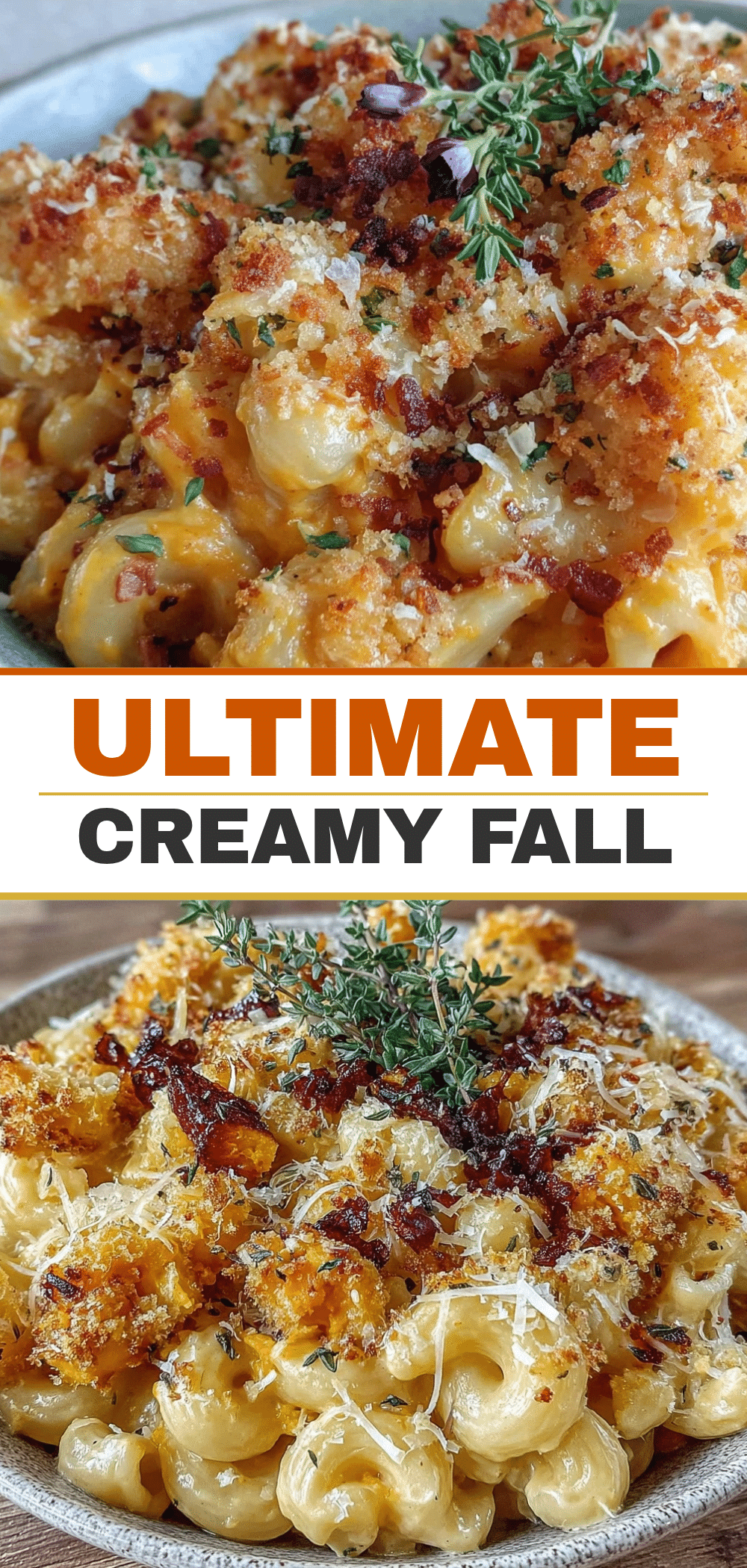

Butternut Squash Mac and Cheese: Kids Will Help Make
- Total Time: 60 minutes
- Yield: 4 servings 1x
Description
A creamy, kid-friendly mac and cheese recipe that uses roasted butternut squash for a sweet, savory twist. Designed to get children involved in the cooking process, this dish turns dinner into a fun, messy family activity.
Ingredients
- 1 medium butternut squash (about 2 lbs / 900g), peeled, seeded, and cubed
- 12 oz (340g) elbow macaroni or cavatappi
- 4 tablespoons (57g) unsalted butter
- 1/4 cup (30g) all-purpose flour
- 2 cups (480ml) whole milk
- 2 cups (200g) shredded sharp cheddar cheese
- 1 tablespoon olive oil
- 1/2 teaspoon nutmeg
- 1/2 teaspoon garlic powder
- 1/2 teaspoon salt
- 1/4 teaspoon black pepper
Instructions
- Preheat oven to 400°F (200°C). Peel the squash, remove seeds, and cut into 1-inch cubes.
- Toss squash cubes with olive oil and salt on a baking sheet. Spread in a single layer and roast for 25-30 minutes until tender and browned. Let cool completely.
- While squash roasts, bring a large pot of salted water to a boil. Cook pasta until al dente. Drain, reserving 1 cup of pasta water.
- Blend the cooled roasted squash until smooth to create a puree.
- In a large stockpot, melt butter over medium heat. Whisk in flour to make a roux, cooking for about 2 minutes until pale yellow.
- Slowly whisk in milk until the mixture thickens and simmers. Stir in squash puree, nutmeg, garlic powder, salt, and pepper.
- Reduce heat to low. Add shredded cheese a handful at a time, stirring until fully melted and smooth. Adjust consistency with reserved pasta water if needed.
- Add drained pasta to the sauce and stir to coat. Serve immediately.
Notes
Cool the squash completely before blending to prevent a watery sauce. Use sharp cheddar for better flavor and avoid pre-shredded cheese to prevent graininess. Keep heat low when adding cheese to prevent breaking. This recipe can be made gluten-free by swapping flour and pasta.
- Prep Time: 15 minutes
- Cook Time: 45 minutes
- Category: Main Course
- Cuisine: American
Nutrition
- Serving Size: 1 serving
- Calories: 450
- Sugar: 8
- Sodium: 600
- Fat: 18
- Saturated Fat: 10
- Carbohydrates: 55
- Fiber: 4
- Protein: 18
Keywords: butternut squash mac and cheese, kids cooking, family dinner, healthy mac and cheese, vegetarian main course, one-pot meal, comfort food