It was 2 AM on a rainy Tuesday in October, and I was staring into the open fridge of my tiny apartment kitchen, feeling that specific kind of lonely hunger that only happens when you’re trying to learn a new hobby. I had bought a bag of ceremonial grade matcha two days prior, convinced I’d finally master the art of whisking tea. I hadn’t. The bowl looked like green slime, and I was too tired to clean it properly.
So, I did what any desperate home cook does: I raided the pantry for something creamy, something comforting, and threw it together with whatever I had left. I had cream cheese, eggs, sugar, and that sad bag of matcha. I mixed them up, poured the batter into a springform pan, and set the oven to a very low temperature. I didn’t have a water bath setup, so I just threw it in there and went to bed, expecting a disaster.
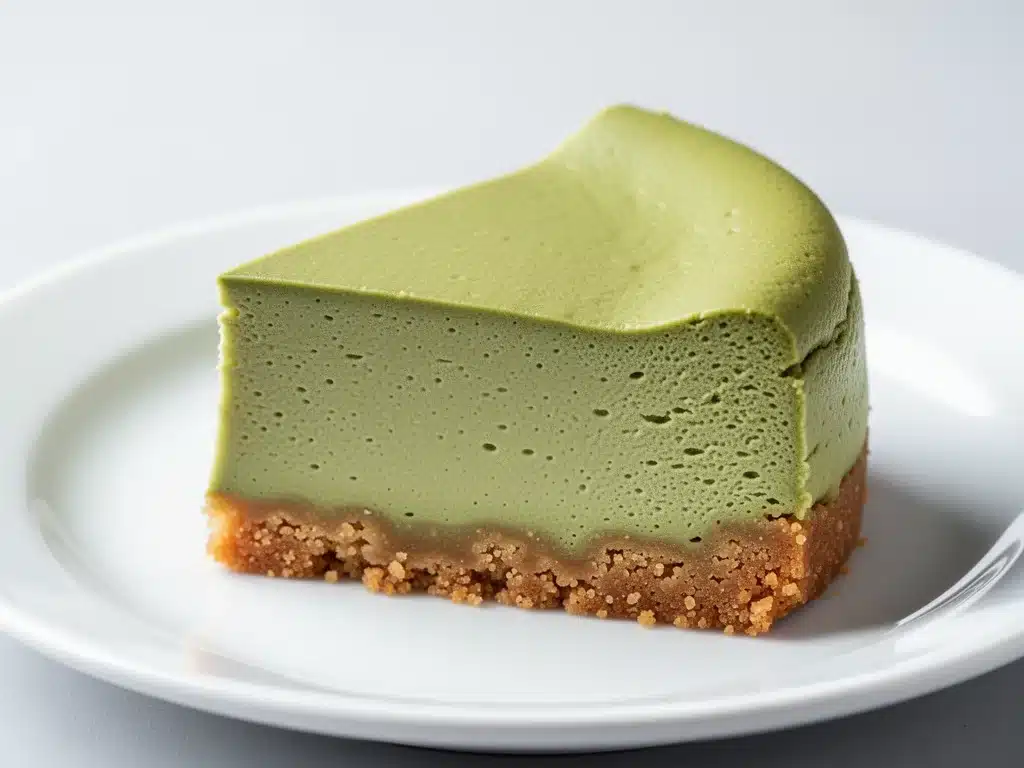
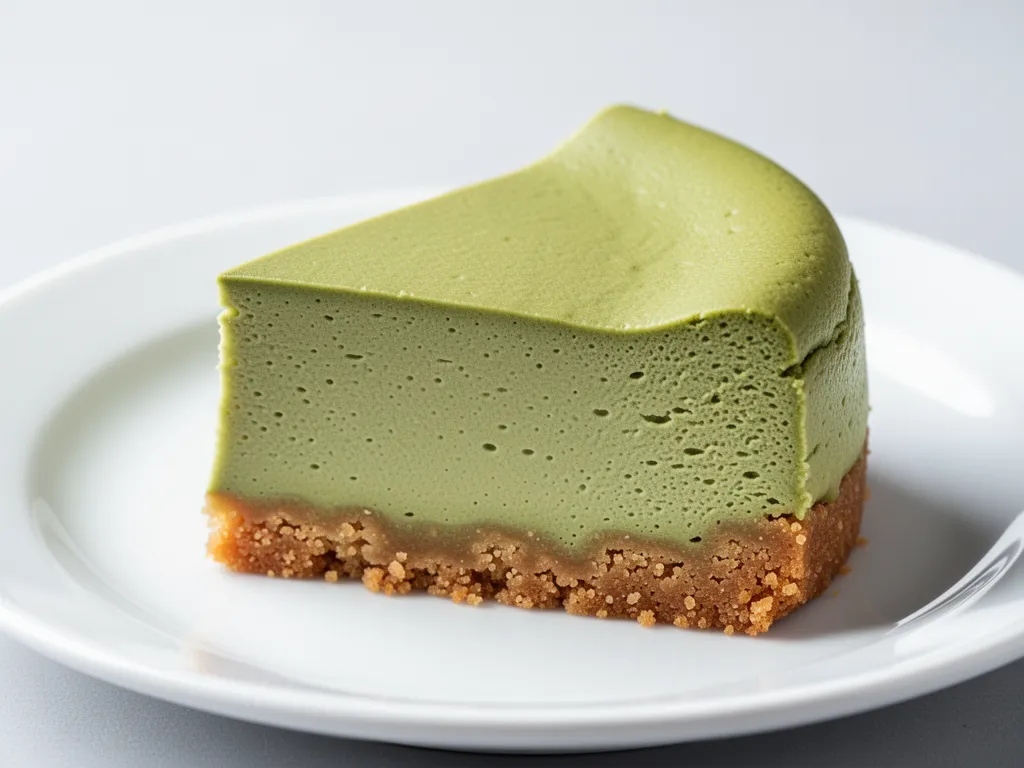
When I woke up, the smell was incredible. Not just “baked dessert” good, but that specific, grassy, earthy aroma that makes you feel like you’re in a Kyoto tea house. I cut into it, and it didn’t crack. It didn’t sink. It jiggled like a cloud. That accidental 2 AM creation turned out to be the best Japanese Matcha cheesecake I’ve ever tasted. It was dense yet airy, creamy yet distinctly green tea forward.
I’ve made this Japanese Matcha cheesecake at least twelve times since that night. I’ve tweaked the matcha quality, the baking time, and the cooling method. And here’s the truth: this dessert is actually easier than it looks. It doesn’t require fancy equipment or hours of standing over a stove. It just requires patience and good quality matcha. If you’ve been intimidated by baked cheesecakes, thinking they’re too technical or too rich, this recipe will change your mind. It’s the perfect balance of sweet and savory, creamy and earthy.
I’ve tested this recipe with everything from cheap grocery store matcha to premium Uji blend, and I’ll tell you exactly which one to buy so you don’t waste your money. This isn’t just a dessert; it’s a mood. It’s the kind of treat that makes you slow down, pour a cup of tea, and just sit with it. Let’s get into how to make this creamy green tea masterpiece without the stress.
Why You’ll Love This Japanese Matcha Cheesecake
There are a million cheesecake recipes out there. New York style is dense and heavy. French style is custardy. But this Japanese-style soufflé cheesecake is in a league of its own. Here’s why this Japanese Matcha cheesecake has taken over my kitchen (and probably yours, too):
- The Texture is Unreal — It’s not just creamy; it’s cloud-like. The meringue technique gives it that signature jiggly, airy mouthfeel that melts on your tongue. It’s lighter than a regular cheesecake but still rich enough to satisfy a sweet tooth.
- Matcha Adds Complexity — Plain cheesecake is great, but matcha brings a sophisticated, slightly bitter edge that cuts through the sweetness. It keeps the dessert from feeling cloying. You get that umami depth that makes you want another slice even after you’re full.
- It’s Visually Stunning — That vibrant emerald green color is impossible to fake. It looks professional and elegant, perfect for impressing guests or just treating yourself on a tough day. It’s way more photogenic than your average chocolate cake.
- Actually Doable for Beginners — I know, I know. People say soufflé cheesecakes are hard. They’re not. They just need gentle heat and patience. Once you understand the water bath concept, it’s foolproof. I’ve made this while distracted, and it still turned out perfectly.
- Perfect with Tea or Coffee — Because of the matcha flavor, this pairs beautifully with black coffee or even more tea. It’s not a “dessert with soda” kind of vibe; it’s a “slow afternoon” kind of vibe.
This Japanese Matcha cheesecake is my go-to when I want to feel fancy without spending hours in the kitchen. It’s my answer to “I want something special but I’m tired.” It’s reliable, beautiful, and tastes like a high-end Japanese patisserie.
Ingredients You’ll Need for the Best Creamy Green Tea Dessert
Before we start mixing, let’s talk about what you need. This recipe looks simple, but a few key ingredients make or break the flavor. I’m being very specific here because bad matcha can ruin this entire cake.
The Base
Cream cheese (16 oz / 450g) — This is non-negotiable. Use full-fat brick cream cheese, not the spreadable kind in a tub. Let it come to room temperature for at least an hour. If it’s cold, you’ll get lumps, and we want silky smooth. I use Kiri or Philadelphia; both work great.
Unsalted butter (2 tablespoons / 30g) — Adds richness and helps bind the batter. Again, room temperature is key.
Sugar (½ cup / 100g) — Granulated white sugar is standard. Some people use caster sugar for finer texture, but regular sugar works fine if you whisk well. Don’t reduce the sugar too much, or the structure suffers.
Whole milk (¼ cup / 60ml) — Just a splash to loosen the cream cheese mixture. You can substitute with heavy cream for a richer cake, but milk keeps it lighter.
Cornstarch (1 tablespoon / 8g) — This is the secret stabilizer. It helps the cake hold its airy structure while baking. Don’t skip it.
The Star: Matcha
Culinary Grade Matcha Powder (2 tablespoons / 12g) — Here’s the thing. For baking, you don’t need the most expensive ceremonial grade matcha you can find. In fact, ceremonial grade is often too delicate for the heat of baking. Look for a high-quality “culinary” or “baking” grade matcha that is still vibrant green. If it’s yellowish or dull, it’s old. I recommend Ito En or Marukyu Koyamaen. Avoid the sweetened matcha lattes powders at all costs.
The Structure
Eggs (3 large, separated) — We separate the yolks from the whites. The yolks go into the cream cheese mix; the whites get whipped into a meringue. Use fresh eggs for the best rise. Room temperature eggs whip better.
Vanilla extract (1 teaspoon) — Just a touch to round out the flavors. Don’t let it overpower the matcha.
Lemon juice (½ teaspoon) — A tiny splash to stabilize the egg whites and add a hint of brightness.
Cream of tartar (¼ teaspoon) — Optional, but it helps keep the meringue stable so your cake doesn’t collapse.
For the Crust (Optional but Recommended)
Graham cracker crumbs (1 cup / 100g) — Or use digestive biscuits for a more European twist.
Melted butter (3 tablespoons / 45g) — To bind the crumbs.
Sugar (1 tablespoon / 15g) — For a slightly sweet base.
Pinch of matcha (½ teaspoon) — Mix this into the crust for a pretty green-speckled bottom.
Equipment Needed
You don’t need a fancy bakery setup. Here’s what I actually use to make this Japanese Matcha cheesecake every time.
9-inch Springform Pan — This is essential. The sides need to come off to release the cake gently. Make sure it’s in good condition so the batter doesn’t leak. I wrap the outside in two layers of heavy-duty aluminum foil to prevent water from seeping in during the bath.
Stand Mixer or Hand Mixer — You need to whip the egg whites into stiff peaks. A hand mixer works, but a stand mixer is less tiring. For the cream cheese, a mixer ensures no lumps.
Spatula — A silicone spatula is your best friend here. You need to fold the meringue into the batter gently to keep the air in. A rigid spoon will deflate the mixture.
Large Roasting Pan or Deep Dish — This is for the water bath (bain-marie). It needs to be large enough to hold your springform pan with room for water around it.
Kettle — Boiling water is needed for the bath. A kettle saves time.
Sieve or Fine Mesh Strainer — Matcha clumps easily. Sifting it into the batter is crucial for a smooth texture. Don’t skip this step.
Offset Spatula — For smoothing the top of the cake before baking. It helps get that professional flat finish.
How to Make It: Step-by-Step
Alright, let’s make this! I’m walking you through exactly how I do it, including the little tricks I’ve picked up over my dozen attempts. This Japanese Matcha cheesecake requires patience, but the steps are straightforward.
Step 1: Prep Your Pan and Oven (10 minutes)
Preheat your oven to 300°F (150°C). This is a low and slow bake. If the heat is too high, the cake will rise too fast and crack, then collapse. Line the bottom of your 9-inch springform pan with parchment paper. Grease the sides lightly with butter or non-stick spray. Wrap the outside of the pan tightly in heavy-duty aluminum foil (two layers) to make it waterproof.
Step 2: Make the Matcha Cream Cheese Base (5 minutes)
In a large bowl, beat the room-temperature cream cheese until it is completely smooth and creamy. There should be no visible lumps. Add the sugar and vanilla extract. Beat on medium speed until combined. Add the milk and cornstarch, and mix until smooth. Now, sift in the 2 tablespoons of matcha powder. Whisk vigorously or beat on low until the color is uniform and vibrant green. If you see green specks, you didn’t sift enough. Scrape down the sides of the bowl.
Step 3: Add the Yolks (2 minutes)
Add the egg yolks one at a time, mixing on low speed just until incorporated. Do not overmix once the yolks are in. The batter should look like thick, glossy green paste. Set this aside.
Step 4: Whip the Meringue (3-4 minutes)
In a separate clean, dry bowl, beat the egg whites with the lemon juice and cream of tartar on medium speed until foamy. Gradually add the sugar while beating. Increase speed to high and beat until you have stiff, glossy peaks. This means when you lift the whisk, the peak stands straight up without drooping. This meringue is what makes the cake airy. Be careful not to overbeat it into a dry, clumpy mess.
Step 5: Fold the Batter (3 minutes)
This is the most critical step. Add about one-third of the meringue to the green cream cheese mixture and gently fold it in to lighten the batter. Then, add the remaining meringue. Use a silicone spatula to gently fold the mixture. Cut down the center, scrape the bottom, and fold over the top. Rotate the bowl. Stop as soon as the white streaks disappear. Do not stir vigorously! You want to keep all that air in there.
Step 6: Assemble and Bake (1 hour 15 minutes)
Pour the batter into the prepared springform pan. Smooth the top with an offset spatula. Place the springform pan into the large roasting pan. Carefully pour boiling water into the roasting pan until it reaches about 1 inch up the side of the springform pan. Place the whole setup on the center rack of your preheated oven.
Bake for 60-75 minutes. The cake is done when the edges are set but the center still jiggles slightly like Jell-O when you gently shake the pan. It should not be liquid, but it should move. If the center is firm, it’s overbaked.
Step 7: The Cool Down (Crucial!) (1-2 hours)
Turn off the oven. Crack the oven door open slightly (stick a wooden spoon in the door to keep it ajar). Let the cake cool inside the oven for at least 1 hour. This gradual temperature drop prevents cracking and sinking. After an hour, remove the cake from the water bath and let it cool completely on a wire rack. Then, refrigerate for at least 4 hours, preferably overnight. This resting time is what sets the texture and allows the flavors to meld.
Expert Tips & Tricks for Success
Here’s everything I’ve learned from making this dozens of times. These tips will save you from my mistakes.
Sift Your Matcha — Matcha is notorious for clumping. If you don’t sift it, you’ll have bitter green chunks in your smooth cake. Sift it twice if you have to.
Room Temperature Everything — Cold cream cheese and cold eggs will cause the batter to seize or not mix smoothly. Take your butter, cream cheese, and eggs out of the fridge an hour before you start.
The Water Bath is Non-Negotiable — I know it’s a pain to wrap the pan and deal with the water. But this gentle, moist heat is what keeps the cake creamy and prevents the top from drying out or cracking. Do not skip it.
Patience with Cooling — I want to eat it immediately, but I always regret rushing the cooling. The cake needs to set in the fridge. If you cut it warm, it will be mushy. Let it chill overnight for the best texture.
Use a Knife for Slicing — Dip your knife in hot water and wipe it dry before each cut. This ensures clean, beautiful slices. The cake is delicate, so a sharp, warm knife helps.
Variations & Substitutions
Once you’ve nailed the basic Japanese Matcha cheesecake, here’s how you can mix it up. I’ve tried all of these.
White Chocolate Matcha — Add ½ cup of melted white chocolate to the cream cheese mixture. This balances the bitterness of the matcha and makes it sweeter and richer. This is my personal favorite variation.
Red Bean Matcha — Spread a layer of sweetened red bean paste (anko) on the crust before pouring the batter. Or swirl it into the top. The classic Japanese flavor combo.
Yuzu Matcha — Replace the lemon juice with yuzu juice. It adds a beautiful citrus floral note that pairs perfectly with green tea.
Gluten-Free — Use gluten-free graham crackers or almond flour for the crust. The batter itself is naturally gluten-free (thanks to the cornstarch).
Dairy-Free — Use vegan cream cheese (like Miyoko’s or Kite Hill) and vegan butter. Note: Vegan cream cheese can be wetter, so you might need a bit more cornstarch. It won’t be exactly the same texture, but it’s delicious.
Matcha Latte Style — Add a tablespoon of instant espresso powder to the batter. It deepens the matcha flavor and adds a coffee kick.
Serving & Storage
How to Serve: I usually serve this straight from the fridge, sliced thin. It’s best with a dusting of powdered sugar and a few fresh berries on the side. I also love it with a dollop of whipped cream and a drizzle of sweetened condensed milk. It pairs beautifully with a hot cup of black tea or a light roast coffee.
Storage: Store leftovers in an airtight container in the refrigerator for up to 5 days. The flavor actually gets better after day 2 as the matcha melds with the cream cheese.
Freezing: You can freeze this cake! Wrap the whole cake (or individual slices) tightly in plastic wrap and then foil. Freeze for up to 2 months. Thaw in the fridge overnight. The texture might be slightly softer after thawing, but it’s still great.
Pro Tip: If you’re making this for a dinner party, make it two days ahead. It takes the stress out of the day and ensures it’s perfectly set.
Nutrition Information
I’m not a nutritionist, but here’s the breakdown if you’re tracking. This is a rich dessert, so portion control is key.
Per Serving (based on 12 slices):
- Calories: 280
- Protein: 6g
- Carbs: 22g
- Fiber: 1g
- Sugar: 18g
- Fat: 18g
- Saturated Fat: 10g
This Japanese Matcha cheesecake is indulgent, but the matcha adds antioxidants, and it’s not overly sweet compared to other cheesecakes. Enjoy it as a special treat!
Final Thoughts
So that’s my go-to Japanese Matcha cheesecake! I’ve probably talked your ear off at this point, but when you make a recipe this often, you have a lot to say about it. This cake has saved my dessert game more times than I can count. It’s my answer to “I want something fancy but I’m tired.” It’s elegant, it’s flavorful, and it’s surprisingly easy to make.
Make it yours! Try different matcha brands, add white chocolate, or swirl in some red bean paste. The best recipes are the ones you adapt to your tastes. If you make this, drop a comment and let me know what you think! I love hearing how recipes turn out in your kitchen.
Happy baking! And I hope your kitchen smells like a serene Japanese garden.
Frequently Asked Questions
Why did my Japanese Matcha cheesecake crack?
Cracking is usually caused by oven temperature being too high or opening the oven door too early. The cake rose too fast and then collapsed. Also, overmixing the batter can incorporate too much air, which expands and then falls. Follow the low temp (300°F) and don’t open the door until the cooling phase.
Can I use matcha powder from the supermarket tea aisle?
You can, but check the color. It should be vibrant green. If it’s dull or yellowish, it’s old and will taste bitter. Avoid any matcha that lists sugar or other additives. For baking, culinary grade is fine and more affordable than ceremonial grade.
Why is my cheesecake jiggly and not set?
If it’s jiggly like water after cooling, it’s underbaked. If it’s jiggly like Jell-O after chilling, it’s perfect. Remember, you take it out when the center jiggles slightly in the oven. It continues to cook as it cools.
Can I make this without a springform pan?
It’s very difficult. The springform allows you to release the delicate cake without damaging it. If you don’t have one, you can use a round cake pan lined with parchment, but you’ll have to invert it to serve, which might break the cake. A springform is worth the investment.
Is this cheesecake very sweet?
No, it’s moderately sweet. The bitterness of the matcha cuts through the sugar. If you find it too sweet, reduce the sugar in the meringue by 1-2 tablespoons. The cream cheese and matcha provide plenty of flavor on their own.
Can I make this ahead of time?
Yes! This cake actually tastes better the next day. You can make it 2-3 days in advance. Just keep it refrigerated. It’s perfect for meal prepping desserts or preparing for a dinner party.
Pin This Recipe!
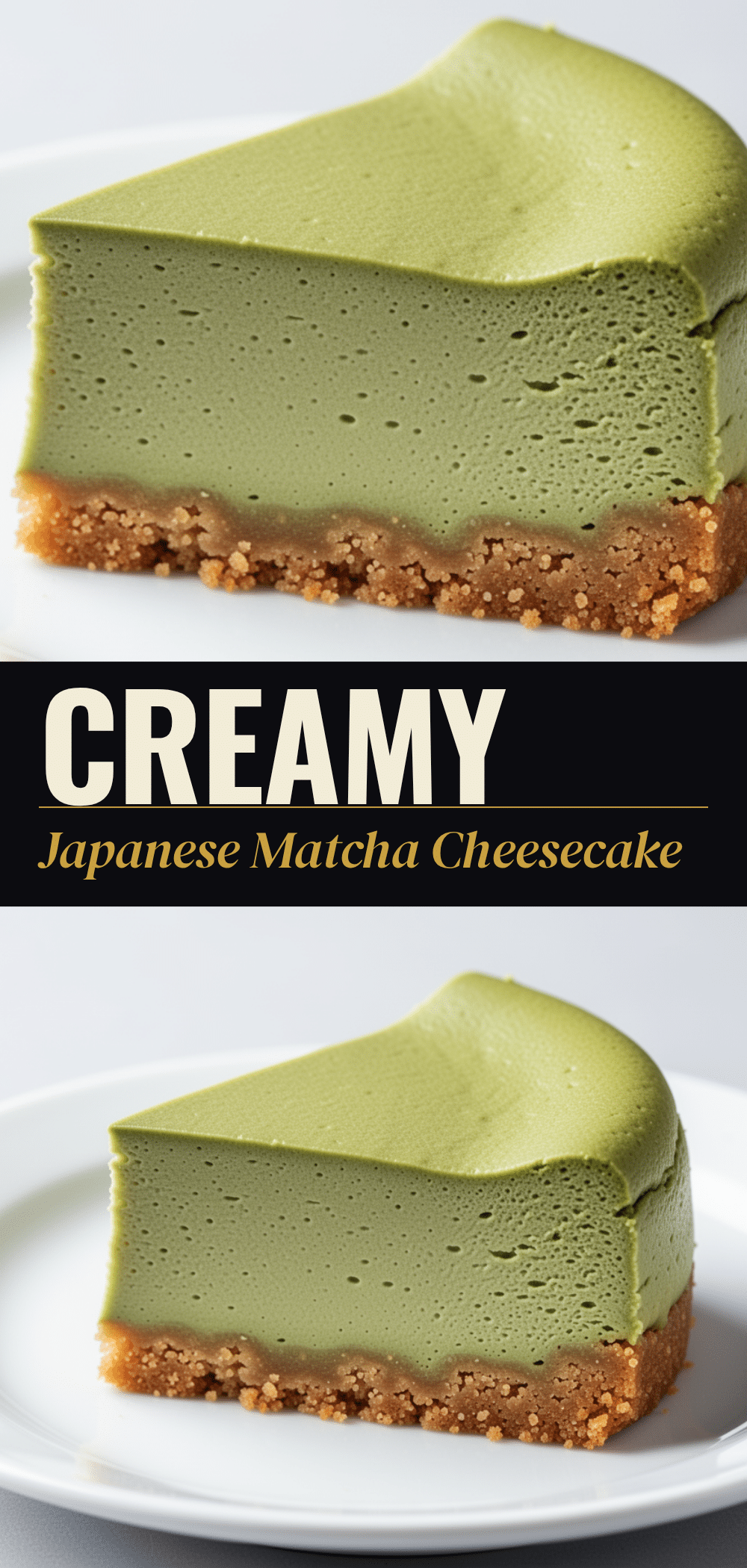
Japanese Matcha Cheesecake: Best Creamy Green Tea Recipe
- Total Time: 1 hour 35 minutes
- Yield: 12 servings 1x
Description
A dense yet airy, creamy Japanese-style soufflé cheesecake infused with vibrant green tea matcha. This recipe uses a water bath and meringue technique for a cloud-like texture that is easier to make than it looks.
Ingredients
- 16 oz (450g) full-fat brick cream cheese, room temperature
- 2 tablespoons (30g) unsalted butter, room temperature
- 1/2 cup (100g) granulated white sugar, divided
- 1/4 cup (60ml) whole milk
- 1 tablespoon (8g) cornstarch
- 2 tablespoons (12g) culinary grade matcha powder
- 3 large eggs, separated (yolks and whites)
- 1 teaspoon vanilla extract
- 1/2 teaspoon lemon juice
- 1/4 teaspoon cream of tartar
- 1 cup (100g) graham cracker crumbs (for crust)
- 3 tablespoons (45g) melted butter (for crust)
- 1 tablespoon (15g) sugar (for crust)
- 1/2 teaspoon matcha powder (for crust)
Instructions
- Preheat oven to 300°F (150°C). Line the bottom of a 9-inch springform pan with parchment paper and grease the sides. Wrap the outside of the pan tightly in two layers of heavy-duty aluminum foil to make it waterproof.
- In a large bowl, beat the cream cheese until smooth. Add 1/2 cup sugar and vanilla extract, beating until combined. Add milk and cornstarch, mixing until smooth.
- Sift in the 2 tablespoons of matcha powder and whisk or beat until the color is uniform and vibrant green.
- Add egg yolks one at a time, mixing on low speed just until incorporated. Set aside.
- In a separate clean, dry bowl, beat egg whites with lemon juice and cream of tartar until foamy. Gradually add remaining sugar while beating. Increase speed to high and beat until stiff, glossy peaks form.
- Gently fold one-third of the meringue into the cream cheese mixture to lighten it. Then, gently fold in the remaining meringue until just combined. Do not overmix.
- Pour batter into the prepared springform pan and smooth the top. Place the springform pan inside a large roasting pan.
- Pour boiling water into the roasting pan until it reaches about 1 inch up the side of the springform pan.
- Bake for 60-75 minutes until edges are set but the center still jiggles slightly like Jell-O.
- Turn off the oven and crack the door open slightly (use a wooden spoon to keep it ajar). Let the cake cool inside for at least 1 hour.
- Remove from water bath and cool completely on a wire rack. Refrigerate for at least 4 hours, preferably overnight, before serving.
Notes
Sift matcha twice to avoid clumps. Ensure all ingredients are at room temperature for a smooth batter. The water bath is essential for preventing cracks and ensuring a creamy texture. Do not open the oven door during the first hour of baking. For clean slices, dip a sharp knife in hot water and wipe dry before each cut.
- Prep Time: 20 minutes
- Cook Time: 1 hour 15 minutes
- Category: Dessert
- Cuisine: Japanese
Nutrition
- Serving Size: 1 slice
- Calories: 280
- Sugar: 18
- Fat: 18
- Saturated Fat: 10
- Carbohydrates: 22
- Fiber: 1
- Protein: 6
Keywords: Japanese Matcha Cheesecake, Green Tea Dessert, Soufflé Cheesecake, Creamy Cheesecake, Matcha Recipe, Baking