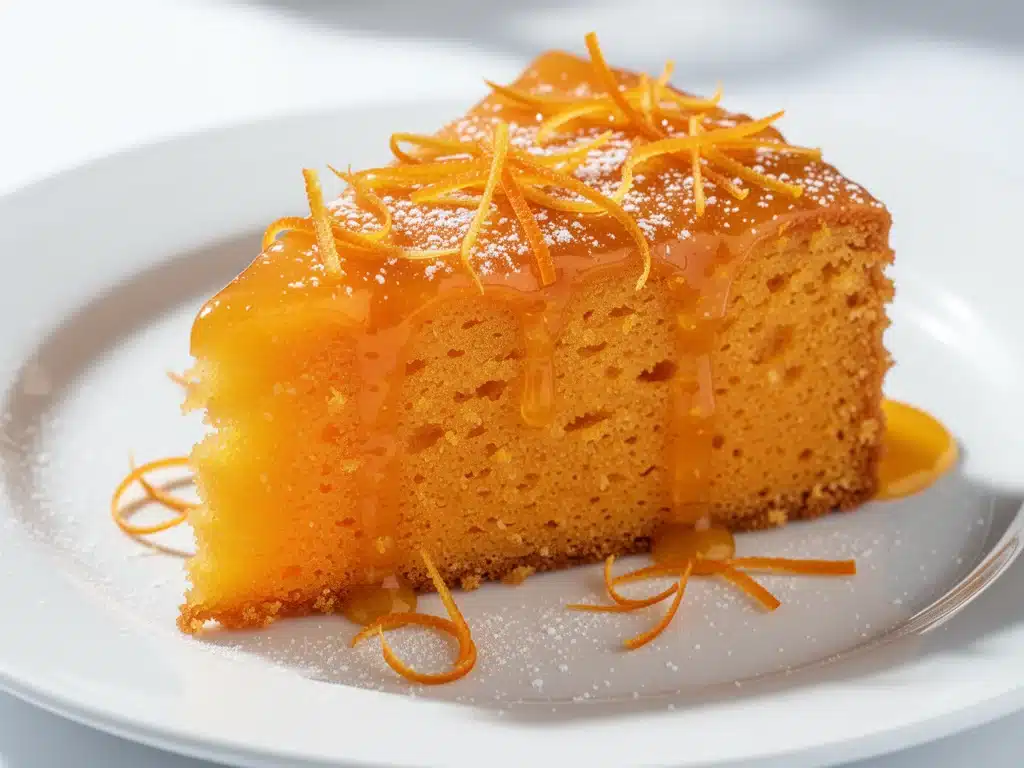
I have a confession to make. For years, I was a cake snob. You know the type. I’d turn my nose up at any dessert that didn’t involve layers of fondant or a complicated French technique. I thought “easy” just meant “bad.” But then I had that Tuesday afternoon where I was craving something bright, something that didn’t taste like sugar and sadness, and I stumbled onto this Bright Orange Citrus Cake recipe.
It started with a bag of oranges that were begging to be used. I squeezed them, zested them, and mixed a batter that came together in about five minutes. The smell that filled my kitchen? Pure sunshine. The first bite? A zesty, tender crumb that melted on my tongue, finished with a glaze so sharp and sweet it made my eyes close. I ate a slice right out of the pan, standing over the counter, ignoring the mess. And then I ate another one an hour later.
This isn’t just a cake. It’s a mood lifter. It’s the dessert you make when you want to feel fancy but don’t want to spend three hours in the kitchen. I’ve tested this bright orange citrus cake at least a dozen times now—sometimes with lemons, sometimes with grapefruits, but the orange version is the king. It’s moist without being heavy, flavorful without being cloying, and it’s the perfect companion to a hot cup of tea or a quiet evening on the porch.
What makes this cake special isn’t just the flavor, though that’s definitely the star. It’s the simplicity. There’s no need for an electric mixer (though you can use one if you’re lazy, like me). There’s no need for fancy ingredients you can only find at a specialty shop. Just eggs, sugar, flour, butter, and the good stuff: real citrus juice and zest. If you’re looking for a summer dessert that feels like a vacation in every bite, this is it. It’s lighter than a traditional pound cake but just as satisfying. And trust me, once you try this zesty dessert, you’ll never go back to bland vanilla cakes again.
Why You’ll Love This Bright Orange Citrus Cake
There are a lot of cake recipes out there. I’ve tried them all. But this one sticks around in my rotation for specific, undeniable reasons. It’s not just “good for a quick bake.” It’s genuinely exceptional. Here’s why this bright orange citrus cake has taken over my weekend baking schedule.
Incredibly Moist Texture — This is the biggest selling point. Most citrus cakes dry out by the next day. Not this one. The combination of orange juice and butter keeps the crumb tender and lush for days. I’ve kept slices in the fridge for four days, and they’re still moist. It’s a game-changer for meal prep or if you’re making it for a gathering a day in advance.
Zesty Without Being Sour — I’ve made citrus cakes where the lemon or orange flavor overpowered everything, leaving your jaw aching. This recipe strikes the perfect balance. The zest provides the aromatic punch, while the juice adds moisture and a gentle tang that cuts through the sweetness. It’s bright and refreshing, not sharp and biting.
One-Bowl Wonder — Seriously. You don’t need a stand mixer. You don’t need to cream butter and sugar for twenty minutes. You just whisk the wet ingredients, fold in the dry, and bake. It’s foolproof. I’ve made this while holding my toddler, while listening to a podcast, and while distracted by a phone call. It still turned out perfect every time.
Perfect for Any Occasion — This isn’t just a summer cake. It’s a spring cake, a holiday breakfast cake, and a mid-week treat. It’s elegant enough to serve at a brunch or a dinner party, but casual enough to eat with your hands on a picnic. It pairs beautifully with other light desserts, like my watermelon icebox cake if you’re hosting a summer party, or even alongside grilled fruits like grilled peaches for a seasonal twist.
Make-Ahead Friendly — Cakes are often better the next day as the flavors meld, and this one is no exception. The citrus glaze soaks into the cake slightly, deepening the flavor. I love making this the night before a dinner party so I can relax and enjoy my guests instead of stressing over a dry, crumbly dessert.
This cake has saved me more times than I can count. It’s my go-to when I need to impress someone but have zero energy. It’s my answer to “what’s for dessert?” when I want something that feels special but requires zero effort. It’s reliable, delicious, and utterly addictive.
Ingredients You’ll Need for the Best Zesty Dessert
Here’s the best part: you probably have most of these ingredients already. This isn’t a recipe that requires a trip to three different stores for obscure items. It’s built on pantry staples and fresh produce. I’m particular about a few things here, and I’ll tell you exactly why they matter.
Organic Oranges (4 medium) — This is non-negotiable. You need oranges that are organic or thoroughly washed because you are using the zest. The zest contains all the essential oils that give the cake its signature aroma. If you can’t find organic, scrub them vigorously with a produce brush and hot water. I love using Navel oranges for their sweetness, but Cara Cara oranges add a nice deeper flavor.
Unsalted Butter (½ cup / 115g) — Softened to room temperature. This is crucial. If your butter is cold, it won’t mix well with the sugar, and your cake won’t get that fine, tender crumb. If you forget, microwave it for 10-second bursts. Don’t melt it. Just soften it.
Granulated Sugar (1 cup / 200g) — Standard white sugar works perfectly here. It provides sweetness and helps create that slightly crisp edge on the cake. You can use coconut sugar for a slightly healthier option, but the texture will be a bit denser.
Eggs (2 large) — Room temperature eggs are best. They emulsify better with the butter and sugar, creating a smoother batter. If your eggs are cold, just drop them in a bowl of warm water for five minutes before cracking them.
All-Purpose Flour (1 ½ cups / 190g) — Don’t overmeasure! Spoon the flour into your measuring cup and level it off. Packing it down will make your cake dense and brick-like. If you want a lighter texture, you can substitute ¼ cup of the flour with cornstarch, but it’s not necessary.
Baking Powder (1 ½ teaspoons) — Check your expiration date. Old baking powder won’t make your cake rise, and you’ll end up with a flat, dense disc. I keep a fresh can in my fridge to ensure it’s always active.
Salt (½ teaspoon) — Just a pinch to balance the sweetness and enhance the citrus flavor. Don’t skip it. I learned this the hard way with a bland cake that tasted like nothing.
Orange Juice (½ cup / 120ml) — Freshly squeezed. No bottled juice. Bottled juice has preservatives and a cooked taste that ruins the fresh flavor of this cake. Squeeze two oranges and strain the pulp if you prefer a smoother batter, though I leave a little pulp in for texture.
Vanilla Extract (1 teaspoon) — Pure vanilla, not imitation. It adds a subtle depth that rounds out the sharp citrus notes.
For the Glaze:
- Confectioners’ Sugar (1 cup / 120g) — Sifted to remove lumps. Lumpy glaze is the enemy of a pretty cake.
- Orange Juice (1-2 tablespoons) — Add slowly. You want a thick but pourable consistency.
Equipment Needed
You don’t need fancy gadgets for this. Here’s what I actually use, along with some honest opinions.
9-Inch Round Cake Pan — I use a heavy-duty aluminum pan. It distributes heat evenly. If you use glass or dark metal, you’ll need to lower the oven temperature by 25 degrees to prevent burning. Grease it well with butter and dust with flour, or use parchment paper at the bottom for easy release.
Microplane Zester — This is my favorite tool in the kitchen. It gets the zest without the bitter white pith. A regular box grater works too, but you have to be very careful not to grate the white part. The microplane makes it foolproof.
Mixing Bowls — One large bowl for wet ingredients, one medium for dry. I like stainless steel because they’re durable and easy to clean.
Whisk — A balloon whisk is perfect for aerating the eggs and sugar. You don’t need a mixer, but a good whisk helps incorporate air for a lighter cake.
Cooling Rack — Essential. Letting the cake cool in the pan can make the bottom soggy. Transfer it to a rack immediately after baking.
How to Make It: Step-by-Step
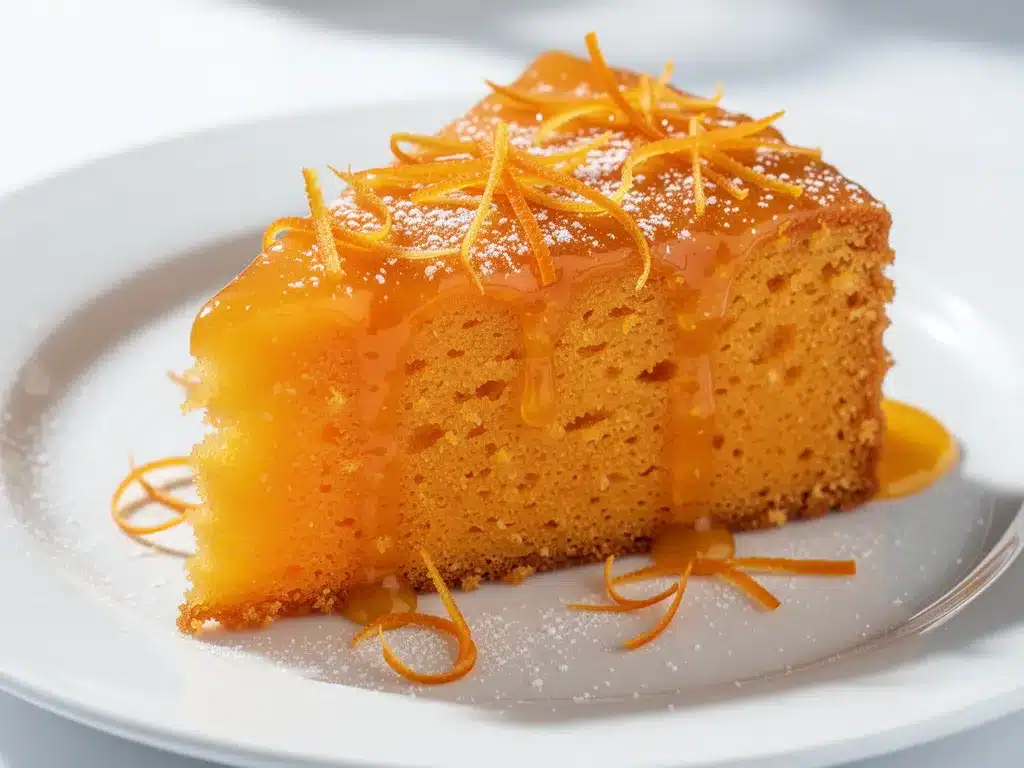
Alright, let’s make this! I’m walking you through exactly how I do it, including the little tricks I’ve picked up over the years.
Step 1: Prep Your Oranges (5 minutes)
Wash your oranges thoroughly. Using a microplane, zest all four oranges directly into your mixing bowl. Be careful not to get the white pith, which is bitter. Once zested, cut the oranges in half and squeeze them to get ½ cup of juice. Strain out the pulp if you prefer a smoother cake, or leave it in for a rustic texture. Set aside.
Step 2: Mix Dry Ingredients (2 minutes)
In a separate medium bowl, whisk together the flour, baking powder, and salt. This ensures the leavening agent is evenly distributed, so you don’t get pockets of bitter baking powder in your final slice.
Step 3: Cream Butter and Sugar (3 minutes)
In a large bowl, beat the softened butter and sugar together until light and fluffy. This step is important even if you’re using a hand whisk. It incorporates air into the batter, which helps the cake rise. If you’re using an electric mixer, this takes about 2 minutes on medium speed. If you’re whisking by hand, it might take 3-4 minutes, but it’s worth the effort.
Step 4: Add Eggs and Vanilla (2 minutes)
Add the eggs one at a time, beating well after each addition. Then stir in the vanilla extract. The mixture might look slightly curdled at this point—that’s normal. Just keep mixing.
Step 5: Combine Wet and Dry (3 minutes)
Add the dry ingredients to the wet ingredients in three additions, alternating with the orange juice. Start and end with the dry ingredients. Mix gently until just combined. Do not overmix! Overmixing develops gluten, which makes the cake tough. You want a tender, soft crumb. The batter should be thick but pourable.
Step 6: Bake (35-40 minutes)
Pour the batter into your prepared pan and smooth the top. Bake in a preheated 350°F (175°C) oven for 35-40 minutes. The cake is done when a toothpick inserted into the center comes out clean or with just a few moist crumbs. The top should be golden brown and spring back when lightly touched.
Step 7: Cool and Glaze (30 minutes)
Let the cake cool in the pan for 10 minutes, then transfer it to a wire rack to cool completely. While it cools, make the glaze by whisking the confectioners’ sugar and orange juice together until smooth. Drizzle the glaze over the cooled cake. It will set into a shiny, sweet coating.
Expert Tips & Tricks
Here’s everything I’ve learned from making this dozens of times. These tips will save you from my mistakes.
Zest First, Juice Second
Always zest your oranges before you juice them. It’s so much easier, and you don’t lose any juice. If you juice first, you’re stuck trying to get zest off a slippery, wet orange.
Room Temperature Ingredients
This cannot be stressed enough. Cold butter and cold eggs will not emulsify properly. Your batter will look grainy, and your cake will be dense. Take your butter and eggs out of the fridge 30 minutes before you start. If you forget, warm the eggs in water and microwave the butter in short bursts.
Don’t Overbake
Citrus cakes continue to cook slightly after you take them out of the oven. If you wait until the toothpick is completely dry, the cake will be dry. Pull it out when there are still a few moist crumbs on the toothpick. It will finish setting as it cools.
Glaze Consistency
Add the orange juice to the sugar slowly. Different brands of sugar absorb moisture differently. You want the glaze to be thick enough to coat the back of a spoon but thin enough to drizzle. If it’s too thick, add more juice. If it’s too thin, add more sugar.
Storage
This cake keeps well at room temperature for up to 3 days in an airtight container. It also freezes beautifully. Wrap slices tightly in plastic wrap and freeze for up to 3 months. Thaw at room temperature for the best texture.
Variations & Substitutions
Once you’ve nailed the basic version, here’s how you can mix it up. I’ve tried all of these.
Lemon Cake
Simply swap the oranges for lemons. Use the zest and juice of 3 lemons. Lemon is more acidic than orange, so you might want to add an extra tablespoon of sugar to balance it.
Grapefruit Cake
Use pink grapefruit for a beautiful color and a slightly bitter, sophisticated flavor. This is great for adults who prefer less sweet desserts.
Blueberry Citrus Cake
Fold 1 cup of fresh or frozen blueberries into the batter after mixing. The berries add bursts of color and flavor. Dust them with a little flour before folding to prevent them from sinking to the bottom.
Almond Extract
Swap half the vanilla extract for almond extract. Orange and almond are a classic combination. It adds a nice nutty depth.
Gluten-Free
Use a 1:1 gluten-free flour blend. The texture might be slightly more delicate, but it works well. Add a teaspoon of xanthan gum if your blend doesn’t include it.
Dairy-Free
Use coconut oil or a dairy-free butter substitute. The flavor will be slightly different, but the texture will be similar.
Serving & Storage
This cake is versatile and easy to serve. Here’s how I enjoy it.
How to Serve
I usually serve this cake plain, just with the glaze. But for special occasions, I add a dollop of whipped cream or a scoop of vanilla ice cream. It’s also fantastic with a cup of Earl Grey tea or a honey lavender iced latte for a cozy afternoon treat.
Side Dishes
This cake pairs well with light fruits like berries or melon. It’s also a great addition to a dessert spread alongside other easy treats like peach cobbler bars or red white and blue berry trifle for summer gatherings.
Storage Instructions
Store in an airtight container at room temperature for up to 3 days. In the summer, if it’s very hot, store it in the fridge, but let it come to room temperature before serving for the best flavor and texture.
Reheating
This cake is best served at room temperature. If you want it warm, microwave a slice for 10-15 seconds. Don’t overheat it, or the glaze will melt off.
Nutrition Information
I’m not a nutritionist, but here’s the breakdown if you’re tracking. Keep in mind that this is a sweet treat, so enjoy it in moderation.
Per Slice (based on 8 slices):
- Calories: 320
- Protein: 4g
- Carbs: 45g
- Fiber: 1g
- Sugar: 30g
- Fat: 14g
- Saturated Fat: 8g
- Cholesterol: 60mg
- Sodium: 180mg
What’s Good:
- It’s lighter than many butter cakes.
- The citrus adds flavor without excessive calories.
- It’s a manageable portion size.
What to Know:
- It contains dairy and gluten.
- The sugar content is moderate, mainly from the glaze.
- It’s not a diet food, but it’s a reasonable treat for a special occasion or weekend bake.
Final Thoughts
So that’s my go-to bright orange citrus cake! I’ve probably talked your ear off at this point, but when you make a recipe this often, you have a lot to say about it. This cake has saved me more times than I can count. It’s my answer to “what’s for dessert?” when I want something that feels special but requires zero effort. My kids are happy, my husband’s happy, and I’m happy because I’m not stressed about cooking.
Make it yours! Try different citrus fruits, add berries, or swap in almond extract. The best recipes are the ones you adapt to your family’s tastes. If you make this, drop a comment and let me know what you think! I love hearing how recipes turn out in your kitchen. And if something doesn’t work, tell me that too—I’m here to help troubleshoot.
Happy baking! And I hope your kitchen smells half as good as mine does right now.
Frequently Asked Questions
Can I use bottled orange juice?
You can, but fresh juice tastes so much better. Bottled juice often has preservatives and a cooked flavor that can make the cake taste flat. If you must use bottled, choose one with no added sugar and mix it with a little fresh zest to brighten it up.
Why did my cake turn out dry?
Overbaking is the most common cause. Citrus cakes continue to cook after you take them out of the oven. Pull it out when a toothpick comes out with just a few moist crumbs. Also, check your measuring. Too much flour will dry out the cake. Spoon and level your flour, don’t scoop it directly from the bag.
Can I make this cake ahead of time?
Absolutely! This cake actually tastes better the next day as the flavors meld. You can bake it and glaze it up to 2 days in advance. Store it in an airtight container at room temperature. If you’re making it for a party, this is a huge advantage.
Can I freeze this cake?
Yes! Freeze the cake (without glaze) for up to 3 months. Wrap it tightly in plastic wrap and then in aluminum foil. Thaw it at room temperature overnight, then add the glaze before serving. The glaze doesn’t freeze well because it can become runny or cracky.
Can I use lemon instead of orange?
Yes, you can. Use the zest and juice of 3 lemons instead of 4 oranges. Lemon is more acidic, so you might want to add an extra tablespoon of sugar to balance the flavor. It’s a delicious variation.
Why is my glaze too thick?
Add more orange juice, one teaspoon at a time, until it reaches a pourable consistency. If it’s too thin, add more confectioners’ sugar. The goal is a glaze that coats the back of a spoon but still drips off easily.
Pin This Recipe!
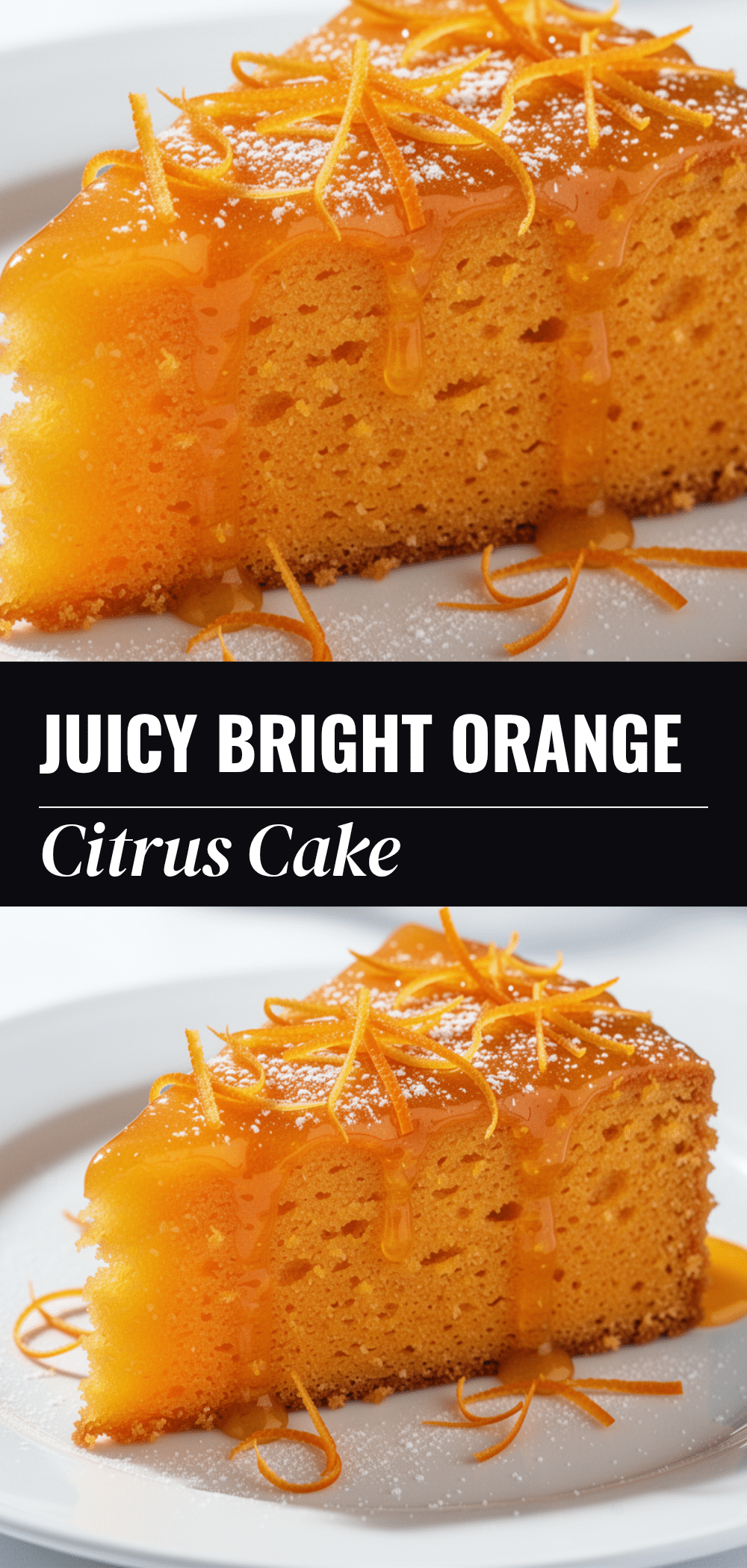

Bright Orange Citrus Cake: Easy Zesty Dessert
- Total Time: 55 minutes
- Yield: 8 servings 1x
Description
A moist, zesty orange cake that comes together in one bowl without a mixer. It features a tender crumb, bright citrus flavor, and a sweet orange glaze, making it a perfect make-ahead dessert for any occasion.
Ingredients
- 4 medium organic oranges (for zest and juice)
- 1/2 cup (115g) unsalted butter, softened to room temperature
- 1 cup (200g) granulated sugar
- 2 large eggs, room temperature
- 1 1/2 cups (190g) all-purpose flour
- 1 1/2 teaspoons baking powder
- 1/2 teaspoon salt
- 1/2 cup (120ml) freshly squeezed orange juice
- 1 teaspoon pure vanilla extract
- 1 cup (120g) confectioners’ sugar (for glaze)
- 1–2 tablespoons orange juice (for glaze)
Instructions
- Preheat oven to 350°F (175°C). Grease and flour a 9-inch round cake pan or line with parchment paper.
- Zest the 4 oranges directly into a large mixing bowl, avoiding the bitter white pith. Cut oranges in half and squeeze to get 1/2 cup of juice. Strain pulp if desired, or leave it in for texture.
- In a medium bowl, whisk together the flour, baking powder, and salt.
- In the large bowl with the orange zest, beat the softened butter and granulated sugar together until light and fluffy (about 3-4 minutes by hand or 2 minutes with a mixer).
- Add the eggs one at a time, beating well after each addition, then stir in the vanilla extract.
- Add the dry ingredients to the wet ingredients in three additions, alternating with the orange juice. Start and end with the dry ingredients. Mix gently until just combined; do not overmix.
- Pour the batter into the prepared pan and smooth the top.
- Bake for 35-40 minutes, or until a toothpick inserted into the center comes out clean or with a few moist crumbs.
- Let the cake cool in the pan for 10 minutes, then transfer to a wire rack to cool completely.
- While the cake cools, whisk the confectioners’ sugar and 1-2 tablespoons of orange juice together until smooth. Drizzle over the cooled cake and let set.
Notes
Zest oranges before juicing for easier handling. Ensure butter and eggs are at room temperature for proper emulsification. Do not overbake, as the cake continues to cook slightly after removal from the oven. The cake keeps well at room temperature for up to 3 days or can be frozen for up to 3 months.
- Prep Time: 15 minutes
- Cook Time: 40 minutes
- Category: Dessert
- Cuisine: American
Nutrition
- Serving Size: 1 slice
- Calories: 320
- Sugar: 30
- Sodium: 180
- Fat: 14
- Saturated Fat: 8
- Carbohydrates: 45
- Fiber: 1
- Protein: 4
Keywords: orange cake, citrus cake, easy dessert, one bowl cake, zesty dessert, make ahead dessert, gluten-free option, dairy-free option