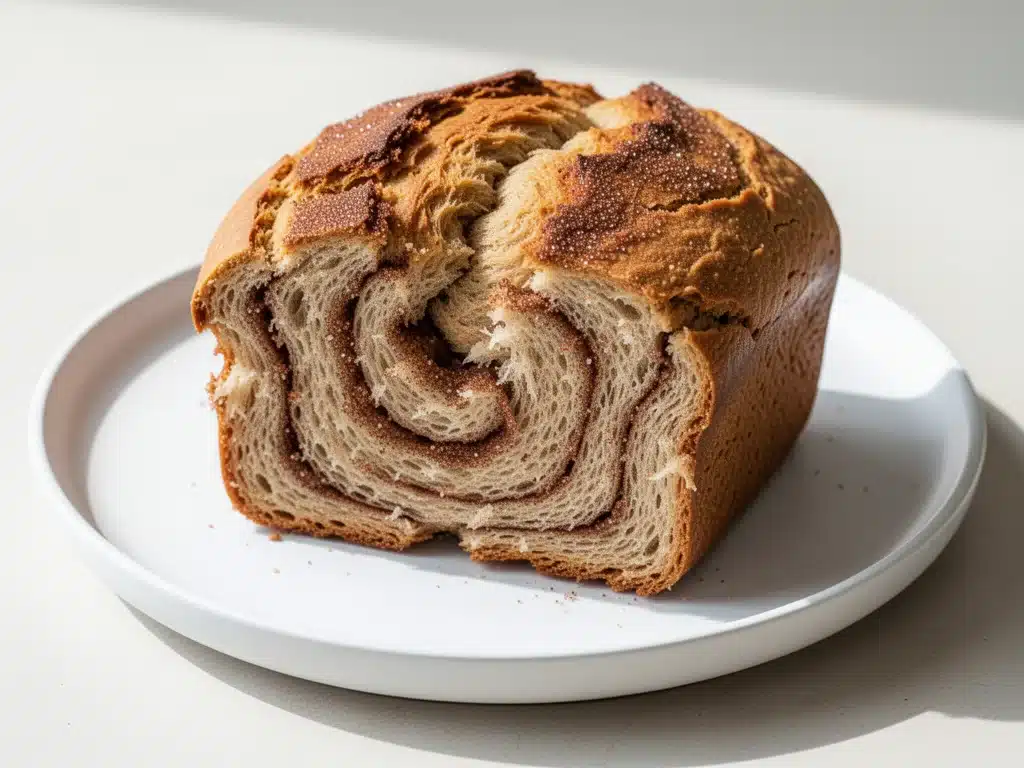
I still remember the first time I tried to use my sourdough starter for something other than bread. It was a Tuesday evening, raining sideways, and I had a half-pint of bubbly, active starter that needed to be used or tossed. I didn’t want to make standard sandwich loaves—I was craving something sweet, something that felt like a hug in food form. So, I improvised. I mixed the starter with flour, sugar, and a generous amount of cinnamon, hoping for the best.
When it came out of the oven, the smell was intoxicating. It smelled like a bakery, like Sunday mornings, like comfort. The texture was slightly chewy from the sourdough, but soft and tender from the sugar coating. My kids ate it warm with a slice of butter, and my husband actually paused his video game to ask for seconds. That was three years ago. Since then, this sourdough cinnamon sugar bread has become my go-to way to use up excess starter without the hassle of shaping loaves or waiting for a long rise.
It’s essentially a cross between a cinnamon roll, a coffee cake, and a quick bread. It’s forgiving, it’s delicious, and it makes your entire house smell incredible. I’ve tested this recipe more times than I can count—sometimes doubling it for brunch, sometimes halving it for a late-night snack. Every single time, it works. It’s the easiest dessert I make, and honestly, it’s better than anything from a box. If you have a sourdough starter bubbling in your cupboard and don’t know what to do with it, this is your answer. It’s simple, it’s reliable, and it’s absolutely worth the effort.
Why You’ll Love This Sourdough Cinnamon Sugar Bread
There are a dozen reasons I keep coming back to this recipe, but here are the ones that matter most when you’re staring at a jar of starter wondering what to do with it.
It Uses Active Starter, Not Discard — This is the biggest win. Most sourdough discard recipes use inactive, sluggish starter. This one uses active, fed starter. That means you get that signature sourdough tang and chew, but the sugar and cinnamon keep it sweet and approachable. It’s the perfect balance.
Zero Yeast Required — If you’re tired of dealing with packets of yeast or waiting hours for dough to proof, this is for you. The sourdough starter provides all the lift you need. You mix it up, dump it in a pan, and bake. No kneading. No complicated folds. Just stir and bake.
Ready in Under an Hour — Because the starter is already active, you don’t need a long rise. You mix the batter, let it sit for just 10-15 minutes to activate, and then it’s in the oven. From start to finish, you’re looking at about 45 minutes. That’s faster than ordering takeout.
Perfect for Any Occasion — I serve this for breakfast with coffee, as an afternoon snack with tea, or as a dessert with ice cream. It’s versatile enough to fit into any meal. Last weekend, I served it alongside grilled peaches for a summer brunch, and it was a hit. It also pairs beautifully with a warm honey lavender latte if you want to get fancy.
Makes Amazing Leftovers — This bread actually tastes better the next day. The flavors meld together, and the texture becomes even more tender. I deliberately make extra for lunch or to pack in my kids’ school bags. It keeps well at room temperature for two days or in the fridge for up to five.
This is my answer to “what do I do with my starter?” when I’m in a hurry. It’s reliable, it’s delicious, and it makes everyone happy. No complicated techniques, no weird ingredients, just good, old-fashioned comfort food with a sourdough twist.
Ingredients You’ll Need
Here’s the best part: you probably have most of these ingredients already. This isn’t a recipe that requires a special trip to the grocery store. It’s pantry-friendly and straightforward.
For the Batter
Active Sourdough Starter (1 cup / 240g) — This is the star. Make sure it’s fed and active, right at its peak. If it’s been in the fridge, feed it 4-6 hours before you plan to bake. It should be bubbly and double in size. Don’t use discard here; you need the yeast activity for the rise.
All-Purpose Flour (1 ½ cups / 190g) — I use King Arthur All-Purpose. It has a good protein content that gives the bread structure without making it tough. Bread flour works too, but it’ll be chewier. Cake flour makes it too delicate.
Granulated Sugar (½ cup / 100g) — White sugar gives that classic cinnamon roll sweetness. Brown sugar works too, but it’ll make the bread denser and more molasses-forward. I stick with white for the clean flavor.
Milk (½ cup / 120ml) — Whole milk is best for richness. Buttermilk is even better if you have it—it adds tang and tenderness. If you don’t have buttermilk, add a teaspoon of vinegar to regular milk and let it sit for 5 minutes.
Melted Butter (¼ cup / 57g) — Unsalted butter is preferred so you can control the salt. Melt it and let it cool slightly before adding. Oil works too, but butter gives that rich, bakery-style flavor.
Egg (1 large) — This binds the batter and adds structure. Room temperature eggs incorporate better, but cold ones work fine if you’re in a rush.
Baking Soda (½ teaspoon) — This reacts with the acidity in the sourdough starter to give the bread lift. Don’t skip it!
Baking Powder (½ teaspoon) — A little extra boost to ensure it rises nicely.
Salt (¼ teaspoon) — Just a pinch to balance the sweetness. If using salted butter, you can skip this.
Vanilla Extract (1 teaspoon) — Pure vanilla, not imitation. It adds warmth and depth.
For the Cinnamon Sugar Swirl
Granulated Sugar (¼ cup / 50g) — For the swirl layer.
Ground Cinnamon (1 tablespoon) — Use good quality cinnamon. If yours is old and dusty, buy new. The flavor difference is huge.
Melted Butter (2 tablespoons) — For brushing the top.
Optional Topping — I love sprinkling a little extra cinnamon sugar on top before baking for a crunchy crust. Or drizzle with a simple glaze (powdered sugar + milk) after baking.
Equipment Needed
You don’t need fancy equipment for this. Here’s what I actually use.
8×8 Inch Baking Pan — This is the perfect size for the batter amount. You can use a 9×9 pan, but the bread will be thinner. A loaf pan works too, but you’ll need to adjust the baking time (it’ll take longer).
Mixing Bowls — One medium bowl for wet ingredients, one large for dry. I use glass bowls because they’re easy to clean.
Whisk — For mixing the batter smoothly. A spoon works, but a whisk breaks up lumps better.
Pastry Brush — Optional, but nice for brushing melted butter on top. I use a silicone brush from IKEA—it’s like $3 and makes life easier.
Cooling Rack — Essential for letting the bread cool properly so it doesn’t get soggy.
Offset Spatula — For spreading the cinnamon sugar layer evenly. A regular knife works too.
Measuring Cups and Spoons — Pretty standard stuff. Dollar store versions work fine, but invest in a good set if you bake often.
Non-Stick Spray or Parchment Paper — To prevent sticking. I line my pan with parchment for easy removal.
How to Make It: Step-by-Step
Alright, let’s make this! I’m walking you through exactly how I do it, including the little tricks I’ve picked up over the years.
Step 1: Prep Your Starter (10 minutes before baking)
If your starter is in the fridge, feed it 4-6 hours before you plan to bake. Use equal parts flour and water by weight (e.g., 50g starter, 50g flour, 50g water). Let it sit at room temperature until it’s bubbly, domed, and has doubled in size. This is your signal that it’s active and ready. If you don’t wait, your bread won’t rise properly.
Step 2: Mix the Wet Ingredients (2 minutes)
In a medium bowl, whisk together the active sourdough starter, melted butter, milk, egg, and vanilla extract. Mix until smooth. The batter should look slightly lumpy, which is fine. Don’t overmix here.
Step 3: Mix the Dry Ingredients (2 minutes)
In a large bowl, whisk together the flour, sugar, baking soda, baking powder, and salt. Make sure there are no clumps of baking soda or powder. If you see white spots, keep whisking.
Step 4: Combine Wet and Dry (2 minutes)
Pour the wet mixture into the dry mixture. Stir gently with a spatula or spoon until just combined. Do not overmix! A few lumps are okay. Overmixing develops gluten, which makes the bread tough instead of tender. The batter will be thick and sticky.
Step 5: Prepare the Pan and Add Batter (3 minutes)
Preheat your oven to 350°F (175°C). Grease an 8×8 inch baking pan with butter or non-stick spray. I line it with parchment paper for easy removal. Pour the batter into the pan and spread it evenly with a spatula. Smooth the top.
Step 6: Create the Cinnamon Sugar Swirl (2 minutes)
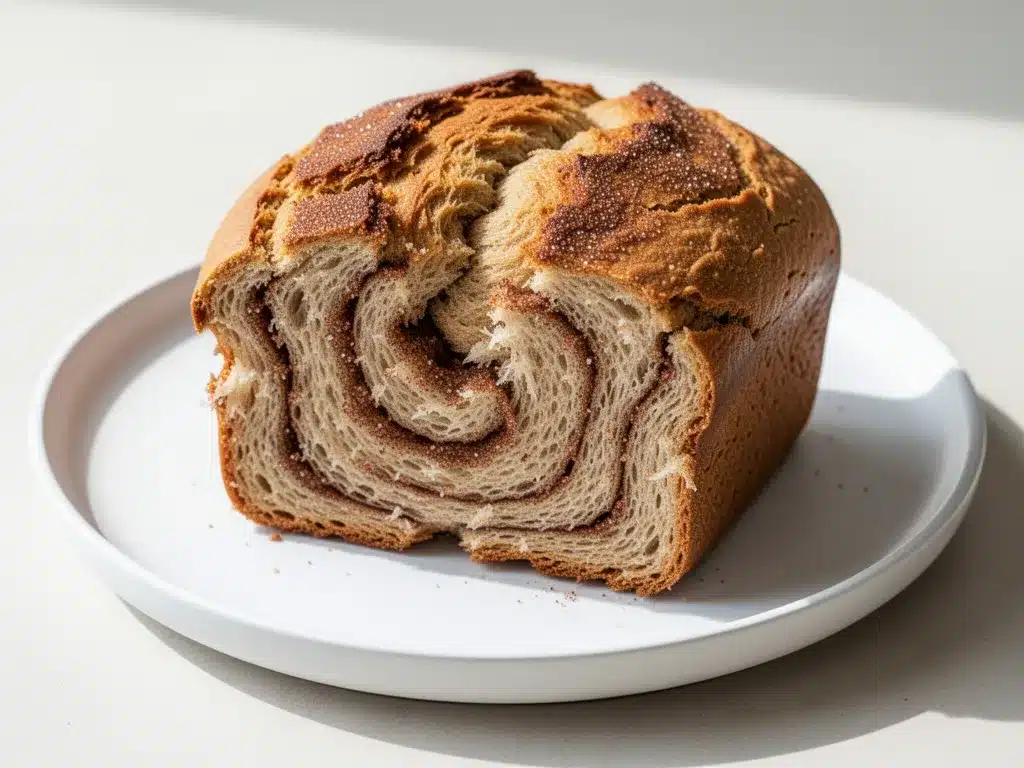
In a small bowl, mix the ¼ cup sugar and 1 tablespoon cinnamon. Sprinkle this mixture evenly over the batter. Take a knife or chopstick and gently drag it through the batter in a zigzag pattern. Don’t over-mix—just create a marbled effect. This is where the magic happens.
Step 7: Bake (30-35 minutes)
Place the pan in the center of the oven. Bake for 30-35 minutes. The bread is done when the top is golden brown, the edges pull away from the pan slightly, and a toothpick inserted into the center comes out clean or with a few moist crumbs (not wet batter). If the top is browning too fast, tent it with aluminum foil for the last 10 minutes.
Step 8: Cool and Serve (15 minutes)
Let the bread cool in the pan for 10 minutes, then transfer to a wire rack to cool completely. This step is hard, but necessary. If you cut it while it’s hot, it’ll be gummy. Slice into squares and serve warm or at room temperature. Drizzle with glaze if desired.
Total Time: About 45 minutes (10 minutes prep, 35 minutes bake)
Expert Tips & Tricks
Here’s everything I’ve learned from making this dozens of times. These tips will save you from my mistakes.
Starter Activity is Key
This is the #1 tip. Your starter MUST be active. If you use sleepy, inactive starter, your bread will be dense and flat. Test it by dropping a spoonful in a glass of water—if it floats, it’s ready. If it sinks, feed it again and wait.
Don’t Overmix the Batter
Overmixing leads to tough bread. Stir until just combined. The batter should look shaggy and thick. Trust me, it’ll rise enough.
Use Good Cinnamon
Cinnamon loses its flavor over time. If your jar has been sitting for more than a year, toss it. Fresh cinnamon makes a huge difference in the taste. I buy mine from a spice shop, not the grocery store.
Room Temperature Ingredients
If your milk and eggs are cold, they can shock the starter. Let them sit out for 15 minutes before mixing. This helps the batter come together more smoothly.
Test for Doneness
Ovens vary. Start checking at 25 minutes. The toothpick test is your best friend. If it comes out wet, bake for 5 more minutes. If it comes out clean, it’s done.
Common Mistakes (and how to avoid them):
Mistake: Bread is dense
Fix: Your starter wasn’t active enough. Next time, feed it and wait until it doubles. Also, check your baking soda and powder expiration dates.
Mistake: Bread is dry
Fix: You overbaked it. Check it 5 minutes early. Sourdough bread can dry out quickly due to the acidity.
Mistake: Cinnamon sugar sank
Fix: You mixed it too much. Just drag the knife through once or twice. Let the batter settle before baking.
Variations & Substitutions
Once you’ve nailed the basic version, here’s how you can mix it up. I’ve tried all of these.
Apple Cinnamon Version
Fold in 1 cup diced apples (peeled) into the batter before baking. Add a teaspoon of nutmeg to the cinnamon sugar. It’s like apple pie in bread form. My kids love this version.
Berry Swirl
Skip the cinnamon sugar and fold in 1 cup fresh or frozen blueberries. The berries burst during baking, creating little pockets of sweetness. Don’t toss them in flour first—they’ll sink.
Chocolate Chip
Add ½ cup chocolate chips to the batter. Drizzle melted chocolate on top before baking. It’s like a s’mores bread. Great for parties.
Gluten-Free
Use a 1:1 gluten-free flour blend. The texture will be slightly different, but it still works. I’ve used Bob’s Red Mill and it’s fine.
Dairy-Free
Replace butter with coconut oil or vegan butter. Use almond milk or oat milk. The result is still moist and delicious.
Vegan
Replace egg with a flax egg (1 tbsp ground flax + 3 tbsp water). Use plant-based milk and butter. The sourdough starter is naturally vegan, so this works well.
Different Pan Sizes
Loaf Pan: Bake at 325°F for 45-50 minutes. Lower temp prevents burning.
Muffin Tin: Bake at 350°F for 18-20 minutes. Makes 12 muffins. Great for gifts!
Serving & Storage
How to Serve:
I usually serve this straight from the cooling rack, warm, with a pat of butter. But here are other ways I’ve enjoyed it:
Side Dishes:
- Fresh fruit salad
- Greek yogurt with honey
- Coffee or tea
- A glass of cold milk
Toppings Bar:
- Simple glaze (powdered sugar + milk)
- Whipped cream
- Caramel drizzle
- Chopped nuts (pecans or walnuts)
Storage Instructions:
Refrigerator:
Store in an airtight container for up to 5 days. The sourdough tang actually gets stronger over time, which I love.
Freezing:
This freezes beautifully! Wrap slices tightly in plastic wrap, then in foil. Freeze for up to 3 months. Thaw at room temperature or microwave for 30 seconds. It tastes almost fresh.
Reheating:
Best method: Microwave for 20-30 seconds. Or toast it like bread. It gets crispy on the edges and soft in the middle. Delicious.
Nutrition Information
I’m not a nutritionist, but here’s the breakdown if you’re tracking.
Per Serving (based on 9 servings):
- Calories: 220
- Protein: 4g
- Carbs: 38g
- Fiber: 1g
- Sugar: 18g
- Fat: 6g
- Saturated Fat: 3g
- Cholesterol: 25mg
- Sodium: 120mg
What’s Good:
- Decent carbs for energy
- Probiotics from the sourdough starter (if not baked too long)
- Easy to customize with fruits or nuts for added nutrition
What to Know:
- Higher in sugar due to the cinnamon swirl
- Contains gluten and dairy (unless modified)
- Moderate calories—perfect for a treat
My Take:
Look, this is a sweet bread. It’s not health food. But it’s better than store-bought pastries, and you know exactly what’s in it. When I want to make it lighter, I reduce the sugar to ¼ cup and add extra fruit. But usually? I just eat a slice and enjoy it. It’s a treat, and that’s okay.
Final Thoughts
So that’s my sourdough cinnamon sugar bread! I’ve probably talked your ear off at this point, but when you make a recipe this often, you have a lot to say about it.
This has saved my sourdough routine more times than I can count. It’s my answer to “what do I do with my starter?” when I’m tired, don’t want to make bread, and still want something that tastes really good. My kids are happy, my husband’s happy, and I’m happy because I’m not stressed about cooking.
Make it yours! Try different add-ins, swap in your favorite spices, adjust the sweetness. The best recipes are the ones you adapt to your family’s tastes. And if you want to pair it with something else, try it with a homemade cinnamon roll bites for a full cinnamon fest, or serve it alongside a watermelon icebox cake for a no-bake summer spread.
If you make this, drop a comment and let me know what you think! I love hearing how recipes turn out in your kitchen. And if something doesn’t work, tell me that too—I’m here to help troubleshoot.
Happy baking! And I hope your kitchen smells half as good as mine does right now.
Frequently Asked Questions
Can I use sourdough discard instead of active starter?
You can, but the bread won’t rise as much. Discard is inactive, so you’ll need to add more baking powder and baking soda to compensate. The texture will be denser, more like a scone. For the best results, use active, fed starter. But if you’re in a pinch, discard works in a pinch—it just won’t be as fluffy.
Why did my bread turn out dense?
Usually, this means your starter wasn’t active enough. If you used starter that hadn’t doubled in size, the yeast wasn’t strong enough to lift the batter. Next time, feed your starter and wait until it’s bubbly and domed. Also, check your leavening agents (baking soda/powder) for freshness.
Can I make this ahead for a party?
Absolutely! You can bake it up to 2 days ahead. Store it in an airtight container at room temperature. Reheat slices in the microwave for 20 seconds before serving. The flavors actually get better overnight. I make this all the time for brunch parties.
Can I freeze this bread?
Yes! Wrap individual slices tightly in plastic wrap, then in foil. Freeze for up to 3 months. Thaw at room temperature or microwave for 30 seconds. It tastes almost fresh. I freeze extras so I always have a quick snack on hand.
Can I use whole wheat flour?
You can substitute up to half the all-purpose flour with whole wheat. The bread will be denser and nuttier. If you use 100% whole wheat, add an extra tablespoon of milk to compensate for the dryness. I stick with all-purpose for the tender texture.
How do I know when the bread is done?
The top should be golden brown, and the edges should pull away from the pan slightly. Insert a toothpick into the center—it should come out clean or with a few moist crumbs. If it’s wet, bake for 5 more minutes. Ovens vary, so start checking at 25 minutes.
Can I add nuts or chocolate chips?
Yes! Fold in ½ cup chopped pecans, walnuts, or chocolate chips into the batter. They add crunch and extra flavor. I love adding chopped pecans for a classic cinnamon roll vibe.
Pin This Recipe!
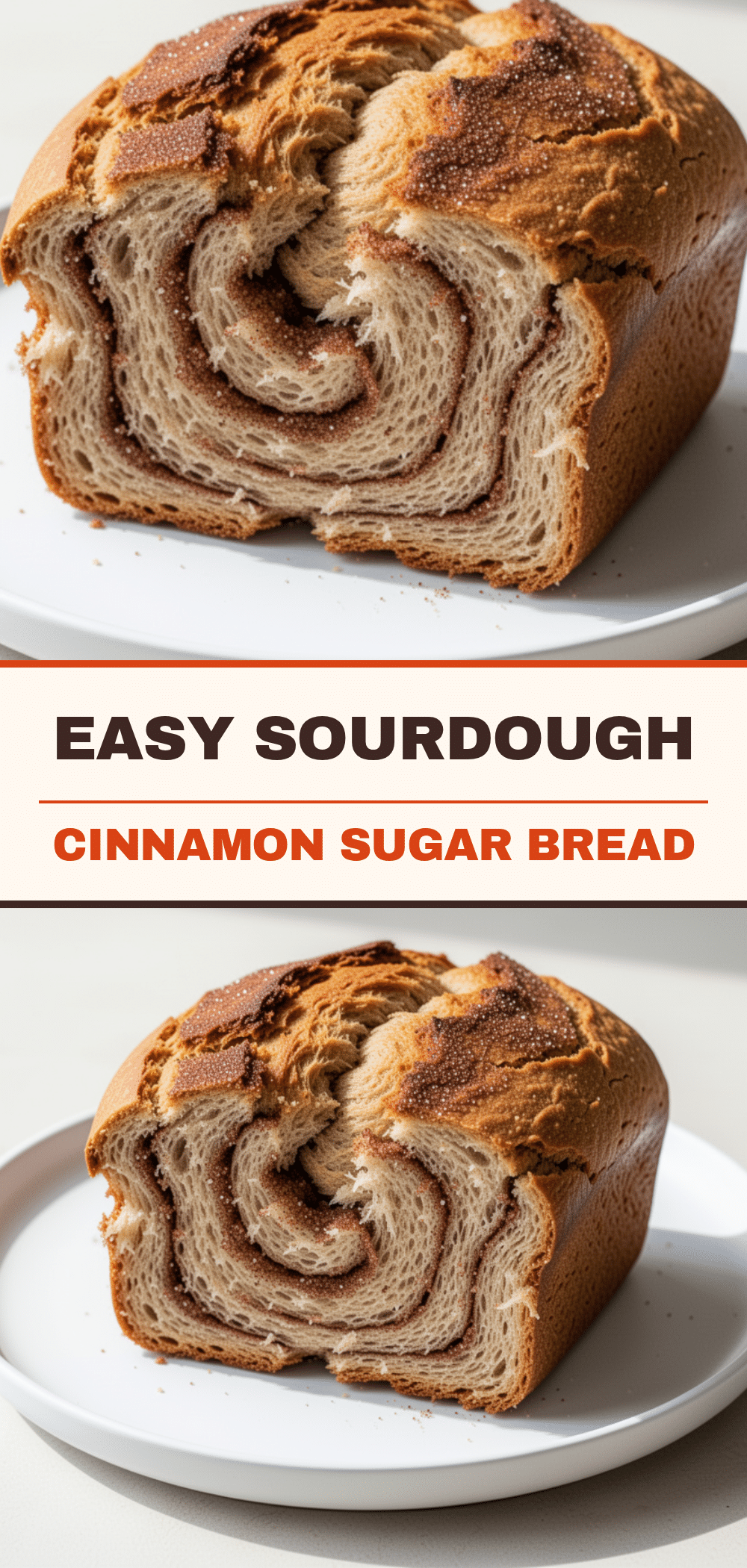
Sourdough Cinnamon Sugar Bread: Easy Homemade Dessert
- Total Time: 45 minutes
- Yield: 9 servings 1x
Description
A quick, forgiving sourdough bread that uses active starter instead of discard. It combines the tang of sourdough with the sweetness of cinnamon sugar, resulting in a tender, bakery-style loaf ready in under an hour.
Ingredients
- 1 cup (240g) active sourdough starter
- 1 ½ cups (190g) all-purpose flour
- ½ cup (100g) granulated sugar
- ½ cup (120ml) milk (whole or buttermilk)
- ¼ cup (57g) melted unsalted butter
- 1 large egg
- ½ teaspoon baking soda
- ½ teaspoon baking powder
- ¼ teaspoon salt
- 1 teaspoon vanilla extract
- ¼ cup (50g) granulated sugar (for swirl)
- 1 tablespoon ground cinnamon
- 2 tablespoons melted butter (for topping)
Instructions
- Feed your sourdough starter 4-6 hours before baking so it is active, bubbly, and has doubled in size.
- Preheat oven to 350°F (175°C) and grease an 8×8 inch baking pan, optionally lining it with parchment paper.
- In a medium bowl, whisk together the active sourdough starter, melted butter, milk, egg, and vanilla extract until smooth.
- In a large bowl, whisk together the flour, ½ cup sugar, baking soda, baking powder, and salt.
- Pour the wet ingredients into the dry ingredients and stir gently with a spatula until just combined. Do not overmix.
- Pour the batter into the prepared pan and spread it evenly.
- In a small bowl, mix the ¼ cup sugar and 1 tablespoon cinnamon. Sprinkle evenly over the batter.
- Drag a knife or chopstick through the batter in a zigzag pattern to create a swirl.
- Bake for 30-35 minutes, or until the top is golden brown and a toothpick inserted into the center comes out clean.
- Let the bread cool in the pan for 10 minutes, then transfer to a wire rack to cool completely before slicing.
Notes
Ensure the sourdough starter is active and at its peak for the best rise. Do not overmix the batter to avoid tough bread. The bread tastes better the next day as flavors meld. It can be stored in an airtight container at room temperature for 2 days or in the fridge for up to 5 days. It also freezes well for up to 3 months.
- Prep Time: 10 minutes
- Cook Time: 35 minutes
- Category: Dessert
- Cuisine: American
Nutrition
- Serving Size: 1 square slice
- Calories: 220
- Sugar: 18
- Sodium: 120
- Fat: 6
- Saturated Fat: 3
- Carbohydrates: 38
- Fiber: 1
- Protein: 4
Keywords: sourdough, cinnamon sugar bread, quick bread, dessert, active starter, easy baking, homemade bread