I have a confession to make. Last Tuesday, at 7:15 AM, I was standing in my kitchen holding a mug of coffee that tasted like burnt rubber. I had made it three times that week. Three. And every single time, it tasted the same: acidic, bitter, and completely devoid of joy. I was tired. Not just “I need more sleep” tired, but that deep, bone-weary kind of exhaustion where your brain feels like it’s wrapped in wet cotton. I needed energy, but I didn’t need the jitters. I definitely didn’t need the 10:30 AM crash that usually accompanies a double-shot espresso.
So, I did what any sleep-deprived, over-caffeinated person does: I reached for the green powder at the back of my pantry. You know the one. The one you bought six months ago with good intentions, only to forget about it until you were cleaning out the cupboard. That was my matcha. And I decided, right then and there, that I was going to fix it. I was going to make the perfect iced matcha latte. Not the kind you buy for $8 at that trendy cafe downtown, but the kind that fits into my morning routine, costs pennies, and actually makes me feel awake without making my heart race.
What happened next was surprising. The first try was… okay. It was a little grassy. The second try was better, but too sweet. But by the fourth attempt, I cracked the code. It’s not just about the powder; it’s about the technique. It’s about whisking it right, getting the milk temperature right, and understanding that matcha isn’t just “green coffee.” It’s something entirely different. Now, this iced matcha latte has become my non-negotiable morning ritual. It takes two minutes. It’s vibrant, earthy, and creamy. And honestly? It’s saved my mornings more times than I can count.
Why You’ll Love This Iced Matcha Latte
Look, I get it. Making your own drinks at home sounds like extra work. But this iced matcha latte is the opposite of work. It’s a game-changer. Here’s why this drink has completely replaced my coffee habit:
Steady Energy, No Jitters — This is the big one. Coffee gives you a spike and a crash. Matcha has L-theanine, an amino acid that promotes relaxation without drowsiness. It works with the caffeine to give you a calm, focused alertness. I feel like I’m actually *thinking* better, not just vibrating in my chair. My husband tried this one morning when he was skeptical, and he said it felt like “quiet energy.” That’s the best description I’ve ever heard.
Ready in Two Minutes Flat — Seriously. If you can boil water and shake a jar, you can make this. I make this on days when I’m rushing to get the kids to school, on days when I’m working from home and need a break, and on lazy Sundays when I just want to sit on the porch. It’s faster than brewing coffee, honestly. Less equipment, less mess, less cleanup.
Customizable to Your Taste — Hate sweet? Make it unsweetened. Love vanilla? Add a drop. Want it dairy-free? Use oat milk. This recipe is a canvas. I’ve made this with almond milk, oat milk, whole milk, and even coconut milk. They all work. It’s forgiving. Unlike that complicated latte art I saw on Instagram, this doesn’t need to look perfect to taste amazing.
Actually Good for You — Okay, it’s not a health food, but it’s not a sugar bomb either. Matcha is packed with antioxidants. You’re getting a drink that’s vibrant and alive, not just hot water with flavoring. It’s a small way to treat my body better, especially when my diet is usually full of takeout and slow-cooker honey garlic chicken thighs (which are delicious, but not exactly a vegetable). It feels like a responsible choice that doesn’t taste like a punishment.
Costs Less Than a Quarter — I know, I know. Premium matcha isn’t free. But a tin lasts forever. When you compare it to buying a drink every day, or even brewing a pot of coffee that ends up going cold, this is incredibly economical. I make this almost every day, and my pantry stash lasts me months.
This iced matcha latte is my go-to when I need a pick-me-up that doesn’t leave me anxious. It’s refreshing, it’s beautiful, and it tastes like a little vacation in a glass.
Ingredients You’ll Need
Here’s the best part: you probably don’t need to run to the store for most of this. But, because matcha is the star of the show, you need to get the quality right. Don’t cheap out on the powder. It makes all the difference.
The Core Components
Culinary or Ceremonial Grade Matcha Powder (2 teaspoons / about 4 grams) — This is the most important ingredient. For an iced latte, culinary grade is usually fine because you’re mixing it with milk and sweetener. It’s cheaper and has a slightly more robust flavor that stands up to dairy. If you’re drinking it plain, go ceremonial. But for this recipe, look for a bright green powder. If it’s dull or yellowish, it’s old or low quality. I use a brand from Japan that I order online, but you can find good ones at most grocery stores in the tea aisle or health food section. Store it in the fridge to keep it fresh.
Hot Water (2 tablespoons / 30ml) — Not boiling. Just hot. You want it around 175°F (80°C). Boiling water will scorch the matcha and make it bitter. If you don’t have a temperature-controlled kettle, just boil your water and let it sit for 2 minutes before pouring. This small amount of water is all you need to dissolve the powder into a smooth paste.
Milk of Choice (1 cup / 240ml) — This is where you can play. Whole milk makes it richest and creamiest. Oat milk is my personal favorite because it’s naturally sweet and froths beautifully. Almond milk is lighter but can be a bit watery. Coconut milk adds a nice tropical twist. I usually keep oat milk on hand because it’s versatile and I’m lactose intolerant sometimes (don’t ask). For this recipe, I recommend starting with oat or whole milk for the best texture.
Sweetener (1-2 teaspoons / 5-10ml) — Honey, maple syrup, or simple syrup. I prefer honey because it pairs beautifully with the earthy tea. Maple syrup adds a nice depth. If you’re avoiding sugar, you can use a zero-calorie sweetener, but I find it doesn’t balance the bitterness as well. Start with 1 teaspoon. You can always add more.
For the Ice & Finish
Ice Cubes (1 cup / about 150g) — Standard ice cubes work fine. I like to use large cubes if I have them because they melt slower and don’t water down the drink as quickly.
Optional: Vanilla Extract (¼ teaspoon) — Just a drop can make this taste like a dessert. I add this when I want something extra special.
Optional: Lemon Zest — A tiny bit of zest on top adds brightness and cuts the richness. It’s a nice twist if you’re tired of the standard flavor profile.
Equipment You’ll Need
You don’t need fancy gadgets. Here’s what I actually use:
Small Bowl or Matcha Bowl — Any small bowl works. I use a ceramic bowl because it’s heavy and doesn’t slip. A glass bowl is fine too, so you can see the color.
Whisk — A bamboo matcha whisk (chasen) is traditional and works best to create that frothy texture. But if you don’t have one, a small regular wire whisk works. Even a milk frother hand-held wand works great. I’ve used all three. The bamboo whisk is the most authentic, but the wire whisk is easier to clean.
Measuring Spoons — Standard teaspoons. You don’t need to be precise, but 2 teaspoons is the sweet spot for flavor.
Shaker Bottle or Jar — If you’re lazy (like me), you can just put everything in a mason jar and shake it. No whisking required. This is my “rushing out the door” method.
Mug or Glass — I like to serve this in a tall glass so you can see the layers. A ceramic mug works too if you want to keep it warm longer, but iced is best.
How to Make It: Step-by-Step
Alright, let’s make this! I’m walking you through exactly how I do it. It’s simple, but there’s a trick to getting it smooth and not clumpy.
Step 1: Sift Your Matcha (1 minute)
Before you add any water, sift your matcha powder into your small bowl. Use a fine-mesh sieve. This is crucial. Matcha powder clumps easily because it’s so fine. Sifting breaks up those clumps so you get a smooth paste later. If you skip this, you’ll end up with little green bubbles in your drink, and nobody wants that. It takes 30 seconds, but it makes the texture 100% better.
Step 2: Make the Matcha Paste (1 minute)
Add 2 teaspoons of hot water (not boiling!) to the sifted matcha. Using your whisk, stir vigorously in a “W” or “M” motion. Don’t just stir in circles. The W motion helps break up any remaining clumps and incorporates air. Whisk for about 30-60 seconds until you have a smooth, bright green paste with a little foam on top. It should look like thick paint. If it’s still clumpy, keep whisking. This paste is the concentrated flavor base.
Step 3: Prepare Your Glass
Fill a tall glass with ice cubes. Pack them in. You want the glass to be full of ice because you’ll be pouring the milk over it. If you don’t use enough ice, the drink will warm up too fast and the matcha will get watery. I usually pack my glass to the brim.
Step 4: Mix the Milk and Sweetener
In a separate container (or directly into the glass if you’re using the shaker method), combine your milk and sweetener. If you’re using honey, you might want to warm the milk slightly first to help it dissolve, or just shake it well. Stir until the sweetener is fully dissolved. If you’re adding vanilla, add it now.
Step 5: Combine and Serve
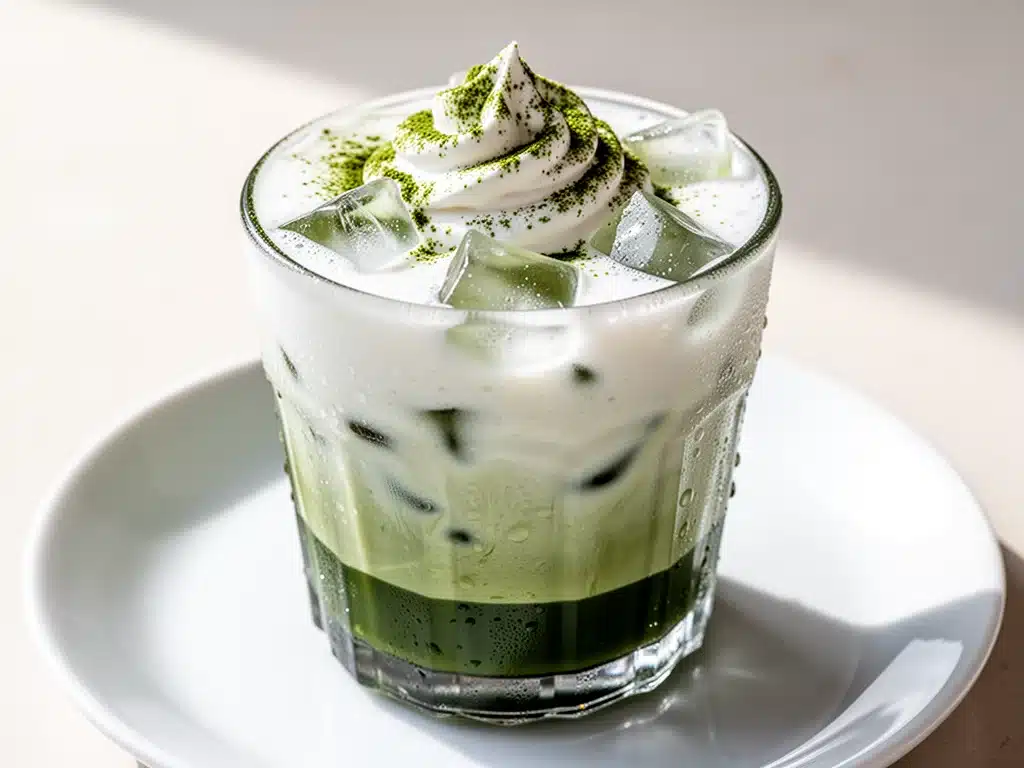
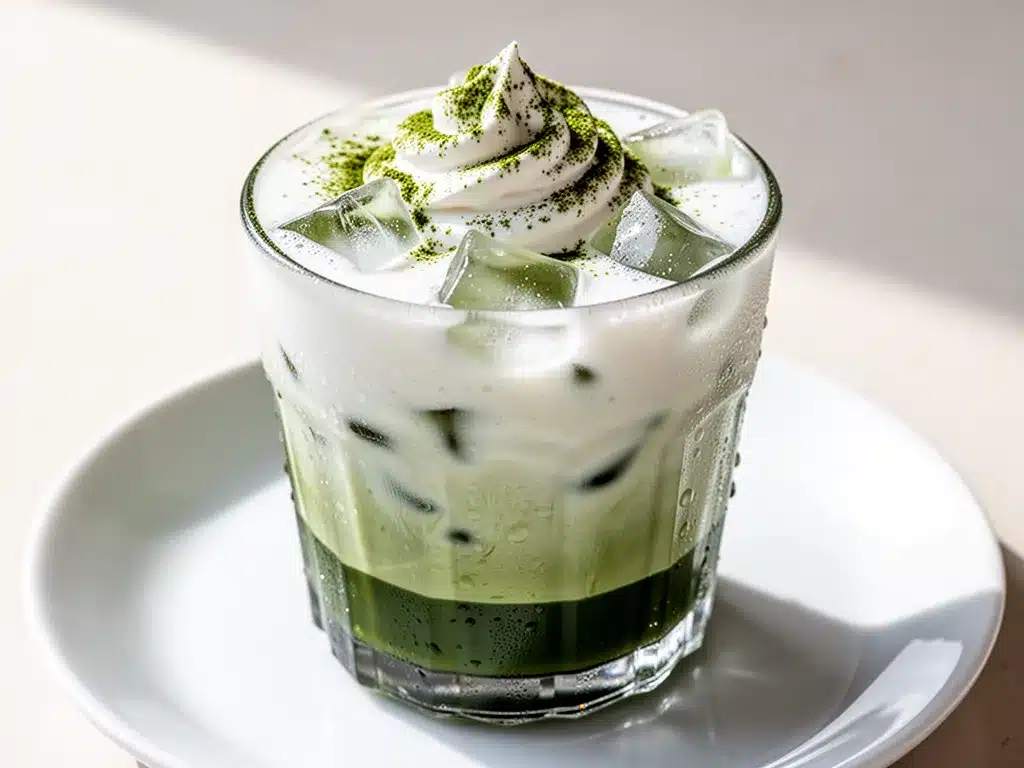
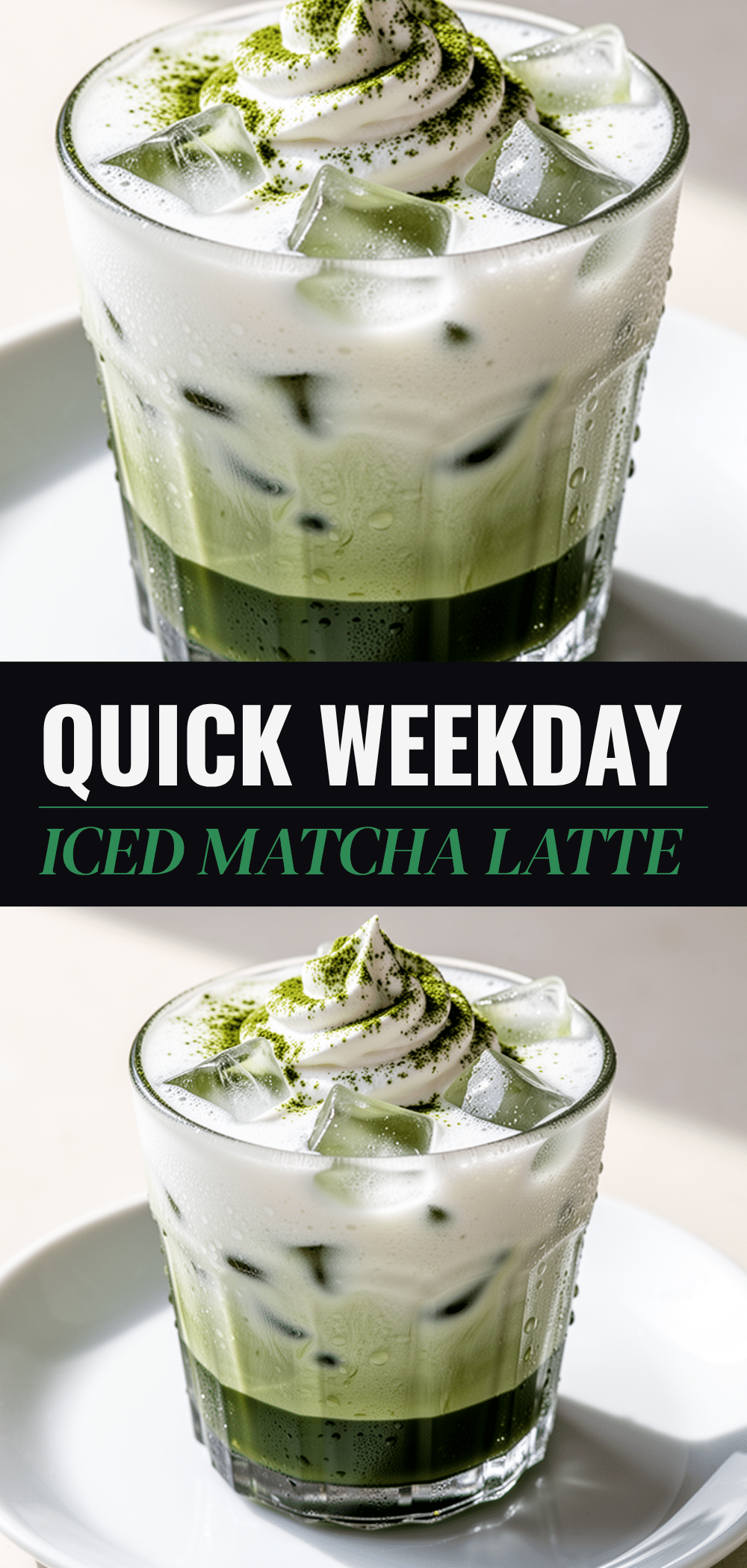
Pour the sweetened milk over the ice. It should look creamy and inviting. Now, slowly pour the matcha paste over the milk. You’ll see it swirl and create beautiful layers. If you want it fully mixed, give it a gentle stir with a long spoon. If you want to keep the layered look, just drink it as is, mixing as you go. Top with a little extra foam or a sprinkle of matcha powder if you want to be fancy. It looks amazing in photos, which is great for your morning mood.
Total Time: About 2 minutes (1 minute active, 1 minute for water to cool slightly)
Troubleshooting Tips:
- Clumpy Matcha: Make sure you sift it! And use the W-motion whisking technique.
- Too Bitter: Your water was too hot, or you used too much matcha. Try 1.5 teaspoons next time, and let the water cool for 2 minutes after boiling.
- Too Watery: You didn’t use enough ice, or your ice melted too fast. Use large cubes or freeze matcha cubes (make extra matcha and freeze it in ice cube trays) for a stronger drink.
Expert Tips & Tricks
Here’s everything I’ve learned from making this dozens of times. These tips will save you from my mistakes.
Keep Your Matcha Fresh
Matcha oxidizes quickly. Once you open the tin, it starts to lose its color and flavor. I always store my matcha in the fridge in an airtight container. It stays bright green and flavorful for months. If your matcha turns yellowish or brown, it’s time to toss it. It won’t hurt you, but it’ll taste flat and grassy.
Don’t Skimp on the Whisking
I know it’s tempting to just stir it with a spoon. Don’t. The whisking incorporates air and breaks down the lipids in the tea, creating that creamy, frothy texture. If you don’t whisk it properly, the matcha will sit on top of the milk instead of blending in. It’s the difference between a smooth latte and a cup of green tea with milk floating on top.
Use Cold Milk for Best Results
While you can use room temperature milk, cold milk keeps the drink colder longer and enhances the sweetness slightly. I usually keep my oat milk in the fridge and pour it directly over the ice. It’s refreshing and crisp.
Make Matcha Ice Cubes
This is my favorite pro trick. Make a strong batch of matcha (without milk), pour it into an ice cube tray, and freeze it. When you make your latte, use these matcha ice cubes instead of regular ice. As they melt, they strengthen the drink instead of watering it down. It’s a game-changer for hot days.
Batch Prep for Weekdays
If you’re really rushed, you can make the matcha paste the night before. Store it in a small jar in the fridge. In the morning, just scoop it into your glass, add milk and ice, and stir. It saves you that 1 minute of whisking. It’s not quite as frothy, but it’s close enough.
Variations & Substitutions
Once you’ve nailed the basic version, here’s how you can mix it up. I’ve tried all of these.
Iced Matcha Latte with Oat Milk
This is my go-to. Oat milk has a natural creaminess that rivals dairy. It’s vegan-friendly and tastes incredible. I use the barista edition oat milk for extra froth.
Iced Matcha Latte with Almond Milk
Lighter and nuttier. If you’re watching calories, this is a great option. It’s less creamy than oat or dairy, so I usually add a little extra sweetener to balance it.
Iced Matcha Latte with Coconut Milk
Tropical and rich. I love this with a splash of vanilla extract. It tastes like a vacation. I use the canned coconut milk for extra richness, but the carton version works too if you want it lighter.
Dirty Matcha Latte
Add a shot of espresso to the glass before adding the milk. This gives you a caffeine kick that’s even stronger than coffee. Perfect for days when you’re really struggling. I sometimes pair this with a honey lavender iced latte when I want something floral, but the dirty matcha is my energy booster.
Sweetened Matcha Latte
Add 1 tablespoon of simple syrup or honey. I usually add this if I’m using unsweetened milk. If you’re using sweetened milk (like some oat milks), skip the extra sweetener.
Unsweetened Matcha Latte
No sweetener at all. This highlights the earthy, umami flavor of the matcha. It’s acquired taste, but I love it when I want something clean and pure. Great with almond milk.
Dietary Modifications:
- Vegan: Use plant-based milk (oat, almond, coconut) and maple syrup or agave.
- Dairy-Free: Same as vegan. All milk options listed are dairy-free.
- Sugar-Free: Use zero-calorie sweeteners like stevia or monk fruit. Note: the flavor profile will be slightly different.
- Keto: Use heavy cream or coconut milk and a keto-friendly sweetener. Add a tablespoon of MCT oil or butter for a “bulletproof” version.
Serving & Storage
How to Serve:
I usually serve this in a tall, clear glass so you can see the layers. It’s visually appealing and makes the morning feel special. Garnish with a sprinkle of matcha powder on top for a nice finish. Add a straw so you can stir it as you drink.
Side Dishes:
This drink pairs well with almost anything for breakfast. I like it with homemade cinnamon roll bites on weekends, or with a quick crispy parmesan crusted chicken cutlets if I’m having a savory breakfast (yes, I do). It’s also great with toast and avocado.
Storage Instructions:
Refrigerator: The matcha paste can be stored in an airtight container in the fridge for up to 2 days. The milk should be fresh. Do not store the combined drink for later—it will separate and lose its flavor. Make it fresh every time.
Freezing: You can freeze the matcha paste in ice cube trays for up to 3 months. When you want a drink, just drop 1-2 cubes into a glass, add milk and ice, and stir. It’s a great way to prep ahead.
Pro Tip: If you’re making this for guests, set up a matcha bar. Put out different milks, sweeteners, and toppings. Let everyone customize their own drink. It’s fun and interactive.
Nutrition Information
I’m not a nutritionist, but here’s the breakdown if you’re tracking. These numbers are for the standard version with oat milk and honey.
Per Serving (1 glass):
- Calories: 120
- Protein: 2g
- Carbs: 18g
- Fiber: 1g
- Sugar: 14g (mostly from honey and natural milk sugars)
- Fat: 4g
- Sodium: 60mg
What’s Good:
- Low calorie compared to cafe drinks
- Rich in antioxidants from the matcha
- Contains L-theanine for calm focus
What to Know:
- Sugar content can vary based on sweetener used
- Contains dairy or plant-based ingredients depending on milk choice
- Caffeine content is moderate (about 35-70mg per serving, depending on matcha strength)
My Take:
This is a lighter alternative to coffee, especially if you’re sensitive to caffeine. It’s not a diet food, but it’s not a sugar bomb either. When I want to make it lighter, I use unsweetened almond milk and skip the honey. But usually? I just enjoy it as a treat. It’s a small indulgence that makes my mornings better.
Final Thoughts
So that’s my iced matcha latte! I’ve probably talked your ear off at this point, but when you make a drink this often, you have a lot to say about it. This has saved my mornings more times than I can count. It’s my answer to “what’s for breakfast?” when I’m tired, don’t want coffee, and still want something that tastes really good. My kids love it too (they think it’s “green magic”), and I love it because I’m not stressed about making it.
Make it yours! Try different milks, adjust the sweetness, or add a splash of vanilla. The best drinks are the ones you adapt to your tastes. If you make this, drop a comment and let me know what you think! I love hearing how recipes turn out in your kitchen. And if something doesn’t work, tell me that too—I’m here to help troubleshoot.
Happy sipping! And I hope your morning feels half as good as mine does right now.
Frequently Asked Questions
Can I use cold water instead of hot water to mix the matcha?
You can, but it’s harder to dissolve the powder. Matcha doesn’t mix well with cold water, so you’ll likely end up with clumps. Hot water helps break down the lipids and creates a smoother paste. If you’re in a huge rush, you can use cold water and shake it vigorously in a jar, but hot water is definitely better for texture.
Why does my matcha taste bitter?
Bitterness usually comes from two sources: water that’s too hot, or low-quality matcha. If your water is boiling, it’s scorching the tea leaves. Let it cool for 2 minutes after boiling. Also, check your matcha powder. If it’s dull green or yellowish, it’s old or low grade. Invest in a brighter, higher-quality powder. It makes a huge difference in flavor.
Can I make this ahead for a meeting?
Not really. The matcha paste can be made ahead, but the combined drink will separate and lose its froth. I recommend making the paste the night before and storing it in the fridge. In the morning, just whisk it with cold milk and ice. It’s still fast, just one less step.
How much caffeine is in an iced matcha latte?
It varies, but generally, a serving with 2 teaspoons of matcha has about 35-70mg of caffeine. That’s about half the caffeine of a cup of coffee. It’s enough to wake you up, but not enough to make you jittery. If you’re sensitive to caffeine, start with 1 teaspoon.
Can I use culinary grade matcha for this?
Yes! Culinary grade is actually better for lattes because it has a stronger flavor that stands up to milk and sweetener. Ceremonial grade is more delicate and expensive, and it’s best for drinking plain. For this recipe, culinary grade is perfect and more budget-friendly.
Why is my matcha foamy?
That’s a good thing! The whisking process incorporates air, creating a nice foam on top. If you don’t want foam, you can whisk less. But the foam adds a nice texture and makes the drink look more appealing. I usually leave it in.
Can I sweeten this with artificial sweeteners?
You can, but I find they don’t blend as well and can leave a weird aftertaste. Honey or maple syrup work best because they dissolve easily and complement the earthy flavor. If you must use artificial sweeteners, use a liquid form rather than powder, as powders don’t dissolve as well in cold drinks.
Pin This Recipe!
Iced Matcha Latte: 2-Min Quick Morning Drink
- Total Time: 2 minutes
- Yield: 1 serving 1x
Description
A vibrant, earthy, and creamy iced matcha latte that provides steady energy without jitters. This quick 2-minute recipe is customizable with various milks and sweeteners, offering a healthier and more economical alternative to cafe drinks.
Ingredients
- 2 teaspoons (about 4 grams) culinary or ceremonial grade matcha powder
- 2 tablespoons (30ml) hot water (around 175°F / 80°C)
- 1 cup (240ml) milk of choice (oat, almond, coconut, or whole milk)
- 1–2 teaspoons (5-10ml) sweetener (honey, maple syrup, or simple syrup)
- 1 cup (about 150g) ice cubes
- Optional: ¼ teaspoon vanilla extract
- Optional: Lemon zest for garnish
Instructions
- Sift the matcha powder into a small bowl using a fine-mesh sieve to break up clumps.
- Add the hot water to the sifted matcha.
- Whisk vigorously in a ‘W’ or ‘M’ motion for 30-60 seconds until a smooth, bright green paste with foam forms.
- Fill a tall glass with ice cubes.
- In a separate container or directly in the glass, combine the milk and sweetener, stirring until dissolved. Add vanilla extract if using.
- Pour the sweetened milk over the ice.
- Slowly pour the matcha paste over the milk to create layers, or stir gently to combine.
- Serve immediately, optionally garnished with extra foam or a sprinkle of matcha powder.
Notes
Do not use boiling water as it will scorch the matcha and make it bitter; let water cool for 2 minutes after boiling. Store matcha in the fridge to maintain freshness. For a stronger drink that doesn’t water down, freeze matcha paste into ice cubes. The matcha paste can be stored in the fridge for up to 2 days.
- Prep Time: 1 minute
- Cook Time: 1 minute
- Category: Beverage
- Cuisine: Japanese
Nutrition
- Serving Size: 1 glass
- Calories: 120
- Sugar: 14
- Sodium: 60
- Fat: 4
- Carbohydrates: 18
- Fiber: 1
- Protein: 2
Keywords: iced matcha latte, matcha recipe, morning drink, healthy coffee alternative, iced tea, matcha latte recipe, quick breakfast drink