I used to be one of those people who would chug a neon-blue sports drink right after a run, convinced I was doing my body a favor. I’d walk out of the gym feeling dehydrated, salty, and honestly, a little guilty about the 30 grams of sugar I just consumed. It wasn’t until I started coaching triathletes that I realized I was drinking nothing but colored sugar water. My athletes were recovering faster, sleeping better, and cramping less—not because of the brand name on the bottle, but because of what was actually in it.
That was my “aha” moment. I stopped buying the neon stuff and started mixing my own electrolyte hydration drink. It started as a desperate attempt to stop getting headaches during summer long runs, but it quickly became my go-to for everything from intense yoga sessions to just surviving a humid Tuesday afternoon in July.
Here’s the thing about store-bought electrolyte drinks: they’re loaded with preservatives, artificial dyes, and enough sweetener to kill a small horse. They also cost a fortune per bottle. When I finally figured out the ratio of sea salt, lemon juice, and a touch of natural sweetness, I never looked back. This electrolyte hydration drink is refreshing, tastes like actual fruit, and costs pennies to make. It’s the best post-workout recovery tool you don’t need a subscription to access.
I’ve tested this recipe dozens of times—sometimes with honey, sometimes with maple syrup, sometimes with no sweetener at all if I’m really trying to cut back. The core principle remains the same: balance sodium, potassium, and hydration without the junk. If you’re tired of that artificial aftertaste, this simple 3-ingredient (plus water) recipe is going to change your hydration game forever.
Why You’ll Love This Electrolyte Hydration Drink
There are about ten reasons I keep making this, but let’s be real: it’s mostly because it works, and it doesn’t taste like medicine. Here’s why this electrolyte hydration drink has replaced every sports drink in my fridge:
- Actually Tastes Good — Seriously. It’s tart, slightly sweet, and incredibly refreshing. I’ve made this for my kids after soccer practice, and they prefer it over soda. It tastes like lemonade, but with a savory kick that keeps you drinking.
- Stupid Simple — You don’t need a shaker bottle or a blender. Just a glass, a spoon, and about 30 seconds of your time. I’ve mixed this up while holding a toddler, while answering emails, and while waiting for the kettle to boil. It’s that easy.
- Lightning Fast — From fridge to glass in under a minute. I make this immediately after I finish a workout because I know I need to rehydrate right away. No waiting for ingredients to blend or chill.
- Pantry-Friendly — You probably have all the ingredients already. Sea salt, lemons, and a sweetener? Yeah, most of us have these. If you don’t, it’s a quick grocery run.
- Budget-Smart — A bottle of electrolyte drink at the gym costs $3-$5. This makes about 32 ounces for less than $0.50. Over a month, that’s savings adding up fast.
- Zero Artificial Junk — No red dye #40, no high fructose corn syrup, no weird chemical names you can’t pronounce. Just real food ingredients that your body recognizes.
This is my go-to when I need to rehydrate without the crash. No complicated techniques, no weird ingredients, just reliable, delicious hydration that makes everyone happy.
Ingredients You’ll Need
Here’s the best part: you probably have most of this already. I’m particular about three ingredients here, and I’ll tell you exactly why.
The Base
Water (32 ounces / 1 liter) — Cold water works best. If you’re making this after a workout, have your water chilled in the fridge beforehand. Room temp water is fine, but it just doesn’t feel as refreshing. I use filtered water if I have it, but tap water works perfectly fine too.
Fresh Lemon Juice (3-4 tablespoons / about 45-60ml) — This is non-negotiable. Bottled lemon juice has a metallic, preserved taste that ruins the drink. You need fresh lemons. Squeeze them yourself. If you’re lazy, buy the fresh lemons and freeze them, then juice them while they’re still cold—it’s easier. The acidity helps balance the salt and adds that bright, clean flavor.
The Electrolytes
Sea Salt (¼ to ½ teaspoon / 1-2 grams) — This is the sodium part of the equation. I use fine-grain sea salt or Himalayan pink salt because it dissolves instantly. Table salt works in a pinch, but it often has an anti-caking agent that can leave a slightly bitter aftertaste. Start with ¼ teaspoon if you’re sensitive to salt, and go up to ½ teaspoon if you’re a heavy sweater. You want it to taste slightly salty, like the ocean, but drinkable.
Potassium Source (1-2 tablespoons / 15-30ml) — This is where people get stuck. You can use potassium chloride salt (often sold as “NoSalt” or “LoSalt”), but it tastes bitter. A better, tastier option is coconut water. If you use coconut water, swap half the plain water for coconut water. It’s naturally high in potassium and adds a nice tropical vibe. Or, use a teaspoon of potassium citrate powder if you want to keep it neutral.
The Sweetener
Natural Sweetener (1-2 tablespoons / 15-30ml) — I prefer raw honey or maple syrup. Honey adds a nice floral note and has antimicrobial properties, which is a nice bonus. Maple syrup is great for a vegan version. If you’re avoiding sugar entirely, use a pinch of stevia or monk fruit. Just a little goes a long way. You don’t want it to taste like soda; you just want to cut the sharpness of the lemon and salt.
Optional Add-ins
Mint Leaves — A few fresh mint leaves muddled in the glass add a spa-like freshness. Great for summer.
Pinch of Cucumber Juice — If you have a cucumber, grate it and squeeze out the juice. It’s incredibly hydrating and adds a subtle, clean flavor.
Sparkling Water — Swap half the still water for sparkling water for a fizzy version. It feels more like a treat.
Equipment Needed
You don’t need fancy equipment for this. Here’s what I actually use.
Glass or Shaker Bottle — I prefer a glass because it’s easier to clean and doesn’t retain flavors. A 32-ounce mason jar works perfectly. If you’re on the go, a simple shaker bottle with a lid is great.
Measuring Spoons — Tiny ones are best for the salt. Don’t guess the salt amount. It matters.
Juicer or Hands — For the lemons. A handheld citrus juicer is nice, but my hands work fine.
Spoon — To stir. Seriously, that’s it. No blenders, no strainers, no mess.
How to Make It: Step-by-Step
Alright, let’s make this! I’m walking you through exactly how I do it, including the little tricks I’ve picked up.
Step 1: Prep Your Lemon
Wash two lemons thoroughly. Roll them on the counter with the palm of your hand before cutting—this breaks the internal membranes and makes them easier to juice. Cut them in half. Squeeze the juice into your glass or bottle. You want about 3-4 tablespoons of fresh juice. If you’re using a juicer, strain out the seeds and pulp if you don’t like them.
Step 2: Add the Salt and Sweetener
Add your sea salt and sweetener to the lemon juice. This helps the salt dissolve faster. If you’re using honey, add a splash of warm water first to help it melt, then add the cold water. Stir vigorously for 10 seconds until the salt and sweetener are completely dissolved. You shouldn’t feel any gritty salt at the bottom.
Step 3: Add the Water and Potassium
Fill the rest of the glass with cold water. If you’re using coconut water as your potassium source, add it now. If you’re using potassium citrate powder, add it now. Stir again. The mixture should be clear and slightly cloudy from the lemon pulp.
Step 4: Taste and Adjust
This is the most important step. Taste it. It should taste like a light, savory lemonade. If it’s too sour, add a bit more sweetener. If it’s too sweet, add a pinch more salt. If it’s too salty, add more water. I usually aim for a balance where you can taste the lemon and salt, but the sweetener rounds it out.
Step 5: Serve
Drink it immediately. It’s best fresh. If you’re adding mint or cucumber, add them now. Enjoy your refreshing electrolyte hydration drink!
Expert Tips & Tricks
Here’s everything I’ve learned from making this dozens of times. These tips will save you from my mistakes.
Don’t Skimp on Salt — This is the #1 mistake people make. They’re afraid of salt, so they add too little. But salt is what helps your body retain the water. Without enough sodium, you just pee out the hydration. Aim for that slight salty taste. It’s necessary.
Fresh Lemon is Key — Bottled lemon juice is a no-go. It tastes like chemicals. Fresh lemon juice has enzymes and flavor that bottled just can’t match. If you’re in a rush, freeze lemons, then grate the zest and squeeze the juice—it’s faster than cutting.
Temperature Matters — Make this with ice-cold water. It’s more refreshing and helps your body cool down faster after a workout. If you’re making it for a picnic, keep it in a cooler.
Customize Your Sweetener — Don’t like honey? Use maple syrup. Want it sugar-free? Use stevia. The sweetener is optional, but it helps mask the salt. Start with less and add more to taste.
Potassium Options — If you don’t like the taste of potassium citrate, use coconut water. It’s naturally sweet and creamy. Or add a splash of orange juice for potassium and flavor. Just be aware that orange juice is higher in sugar.
Common Mistakes
- Sauce is too watery — Wait, this is a drink! If it’s too salty, add more water. If it’s too sweet, add more lemon or salt.
- Salt didn’t dissolve — Stir longer. Or use finer salt. Or dissolve it in a tiny bit of warm water first.
- Too sour — Add more sweetener. Or add a pinch of baking soda to neutralize some acidity (but this might change the flavor slightly).
Variations & Substitutions
Once you’ve nailed the basic version, here’s how you can mix it up. I’ve tried all of these.
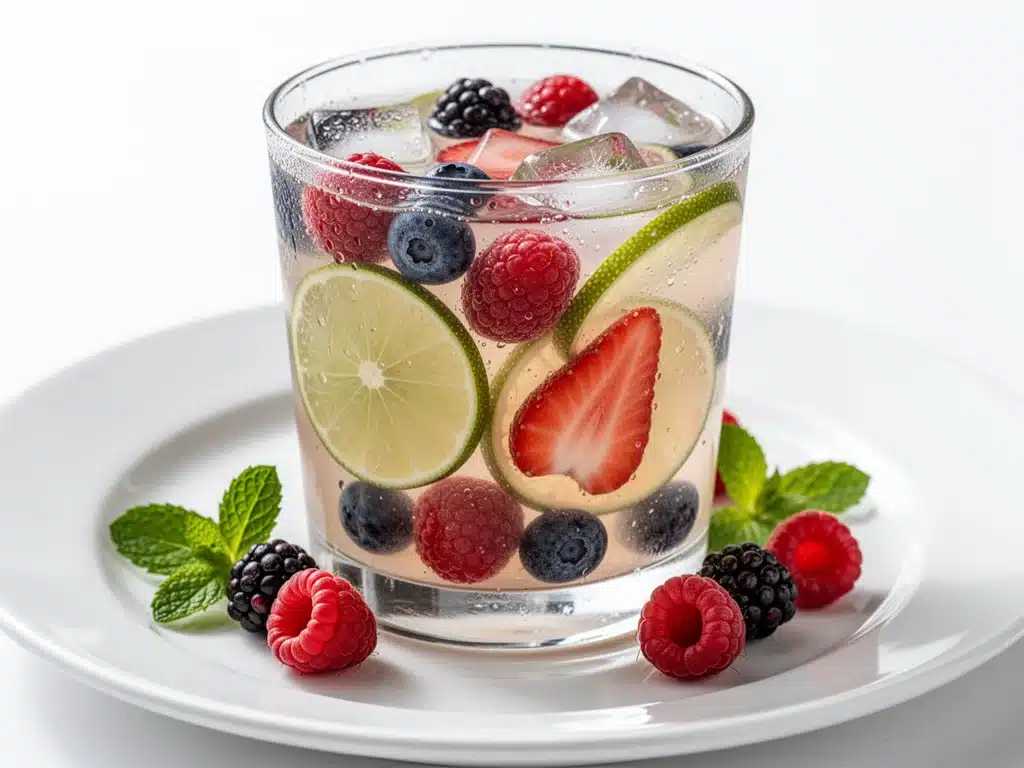
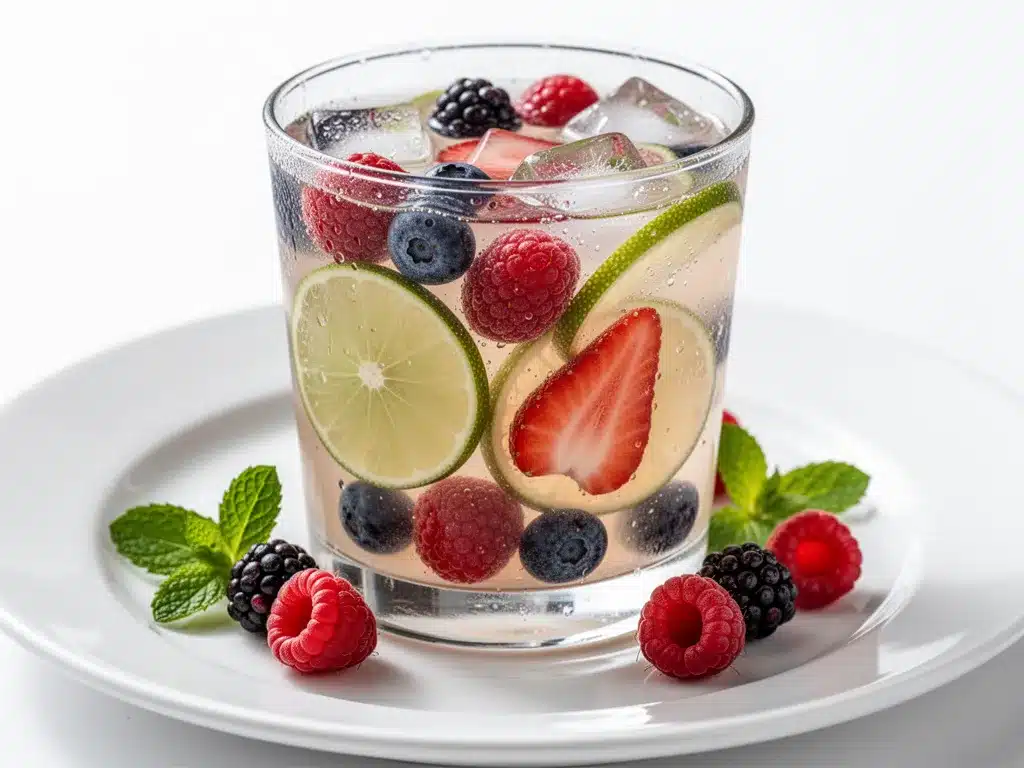
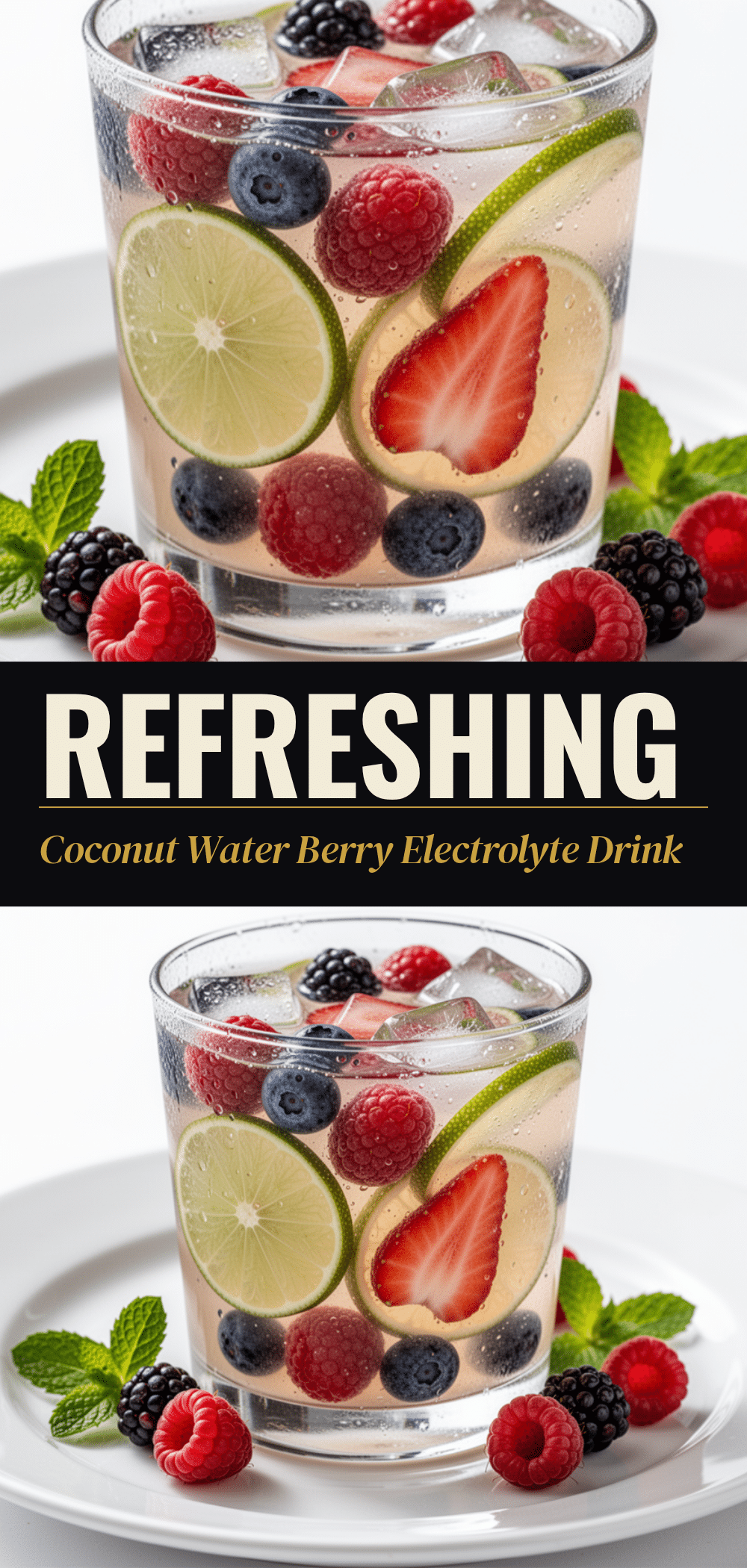
Berry Blast — Muddle a handful of fresh or frozen berries (strawberries, blueberries, raspberries) at the bottom of the glass before adding the lemon and salt. It adds antioxidants and a beautiful color. Great for summer.
Cucumber Mint Cooler — Add ¼ cup of cucumber juice and a few mint leaves. This is incredibly cooling and perfect for hot days. It tastes like a fancy spa drink.
Tropical Twist — Swap lemon for lime. Use coconut water as the base. Add a splash of pineapple juice. It’s like a healthy piña colada without the cream.
Cherry Recovery — Use tart cherry juice instead of lemon. Tart cherry is known for reducing muscle soreness. Mix ¼ cup tart cherry juice with ¾ cup water, add salt and a little honey. It’s a great post-workout recovery drink.
Dietary Modifications
- Vegan — Use maple syrup or agave instead of honey. Everything else is naturally vegan.
- Sugar-Free — Skip the honey/maple syrup and use a pinch of stevia or monk fruit. It’s still delicious, just less sweet.
- Low-Sodium — Reduce the salt to ¼ teaspoon. Note: You’ll lose some hydration benefits, so drink more of it.
Serving & Storage
How to Serve:
I usually drink this straight from the glass. But here are other ways I’ve enjoyed it:
- Over Ice — Always serve over ice. It keeps it cold and dilutes it slightly as it melts, which is nice.
- With a Straw — A metal or glass straw is great because you don’t get lemon pulp stuck in your teeth.
- As a Mixer — Use it as a mixer for sparkling water or even a splash of sparkling wine for a refreshing summer drink.
Storage Instructions:
Refrigerator: Store in an airtight container for up to 2 days. The lemon flavor will intensify over time, so it might taste more sour on day two. Give it a good stir before drinking.
Freezing: Honestly, this doesn’t freeze well because of the lemon and salt. It can separate or change texture. Make it fresh. If you want to prep ahead, mix the dry ingredients (salt, sweetener) and store in a jar. Add water and lemon when ready to drink.
Pro tip: If you’re making this for a group, double the recipe in a pitcher. Just taste and adjust the salt and lemon after mixing, as it might need more.
Nutrition Information
I’m not a nutritionist, but here’s the breakdown if you’re tracking. This is per 32-ounce serving.
| Nutrient | Amount |
|---|---|
| Calories | 60-80 |
| Protein | 0g |
| Carbs | 15-20g |
| Fiber | 0g |
| Sugar | 12-18g (depending on sweetener) |
| Fat | 0g |
| Sodium | 300-500mg |
| Potassium | 200-400mg (if using coconut water) |
What’s Good: Low calorie, zero fat, good source of sodium and potassium. Natural ingredients.
What to Know: Sugar content depends on your sweetener. Sodium content depends on how much salt you add. Adjust based on your needs.
My Take: Look, this is hydration. It’s not a meal. It’s way better than soda or sports drinks, and it helps you recover faster. When I want to make it lighter, I use less sweetener and more water. But usually? I just enjoy it and rehydrate.
Final Thoughts
So that’s my go-to electrolyte hydration drink! I’ve probably talked your ear off at this point, but when you make a recipe this often, you have a lot to say about it.
This has saved me from countless headaches, cramps, and post-workout crashes. It’s my answer to “how do I rehydrate?” when I’m tired, don’t want to buy more sports drinks, and still want something that tastes really good. My body is happy, my wallet is happy, and I’m happy because I’m not stressed about what’s in my bottle.
Make it yours! Try different fruits, swap sweeteners, adjust the salt. The best recipes are the ones you adapt to your body’s needs.
If you make this, drop a comment and let me know what you think! I love hearing how recipes turn out in your kitchen. And if something doesn’t work, tell me that too—I’m here to help troubleshoot.
Happy hydrating! And I hope your post-workout recovery feels as good as mine does right now.
Frequently Asked Questions
Q: Can I use table salt instead of sea salt?
A: You can, but sea salt or Himalayan pink salt is better. Table salt has anti-caking agents that can leave a bitter taste. Sea salt dissolves cleaner and has trace minerals that are nice. If you must use table salt, use less because it’s saltier by volume.
Q: Why did my drink taste too salty?
A: You probably added too much salt. Start with ¼ teaspoon and taste. If it’s too salty, add more water or sweetener. Salt tastes different when mixed with acid (lemon) and sweet (honey). It’s a balancing act.
Q: Can I make this ahead for a sports game?
A: Yes! Mix the dry ingredients (salt, sweetener) and store in a small bag or container. Add water and lemon juice right before the game. This ensures the freshest flavor. If you mix it ahead, store in the fridge and drink within 24 hours.
Q: Is this better than Gatorade?
A: For most people, yes. This has no artificial dyes, no high fructose corn syrup, and less sugar. It also has real lemon juice, which adds vitamin C and flavor. Gatorade is fine for intense endurance athletes who need quick carbs, but for most of us, this is a healthier, cleaner option.
Q: Can I use bottled lemon juice?
A: You can, but it’s not recommended. Bottled lemon juice has preservatives that taste metallic and chemical. Fresh lemon juice makes a huge difference in flavor. If you’re in a pinch, it works, but try to use fresh next time.
Q: How much potassium do I need?
A: Most adults need about 2,600-3,400mg per day. One serving of this drink provides about 200-400mg, depending on your potassium source. It’s a good boost, but don’t rely on it for all your daily potassium. Eat bananas, sweet potatoes, and spinach for more.
Q: Can I add protein to this?
A: You can, but it might change the texture. Add a scoop of unflavored or vanilla protein powder and shake it well. It’ll be thicker, like a smoothie. Great for post-workout recovery if you need both carbs and protein.
Pin This Recipe!
Electrolyte Hydration Drink: 3-Ingredient Best Post-Workout Recipe
- Total Time: 5 minutes
- Yield: 1 serving (32 ounces) 1x
Description
A simple, refreshing, and budget-friendly homemade electrolyte drink made with sea salt, fresh lemon juice, and a natural sweetener. Perfect for post-workout recovery and hydration without artificial additives.
Ingredients
- 32 ounces (1 liter) cold water
- 3–4 tablespoons fresh lemon juice
- 1/4 to 1/2 teaspoon sea salt (or Himalayan pink salt)
- 1–2 tablespoons natural sweetener (raw honey, maple syrup, or stevia)
- 1–2 tablespoons potassium source (coconut water or potassium citrate powder, optional)
Instructions
- Wash two lemons thoroughly and roll them on the counter to break internal membranes.
- Cut lemons in half and squeeze juice into a glass or shaker bottle, aiming for 3-4 tablespoons of fresh juice.
- Add sea salt and sweetener to the lemon juice. If using honey, add a splash of warm water first to help it melt.
- Stir vigorously for 10 seconds until the salt and sweetener are completely dissolved.
- Fill the rest of the glass with cold water. If using coconut water or potassium citrate powder, add it now.
- Stir again and taste the mixture.
- Adjust to taste: add more sweetener if too sour, more salt if too sweet, or more water if too salty.
- Serve immediately over ice, optionally adding fresh mint or cucumber juice.
Notes
Use fresh lemon juice for best flavor; bottled juice has a metallic taste. Sea salt dissolves better than table salt. Store in the refrigerator for up to 2 days, but best consumed fresh. Can be made sugar-free by using stevia or monk fruit.
- Prep Time: 5 minutes
- Cook Time: 0 minutes
- Category: Beverage
- Cuisine: American
Nutrition
- Serving Size: 32 ounces
- Calories: 6080
- Sugar: 1218
- Sodium: 300500
- Carbohydrates: 1520
Keywords: electrolyte drink, post-workout recovery, hydration, homemade sports drink, healthy lemonade, natural electrolytes, keto friendly, vegan hydration